- Free Case Evaluation: 312-779-6171 Tap Here To Call Us




Antibiotics for a Dog Bite: When You Need Them and What Doctors Prescribe


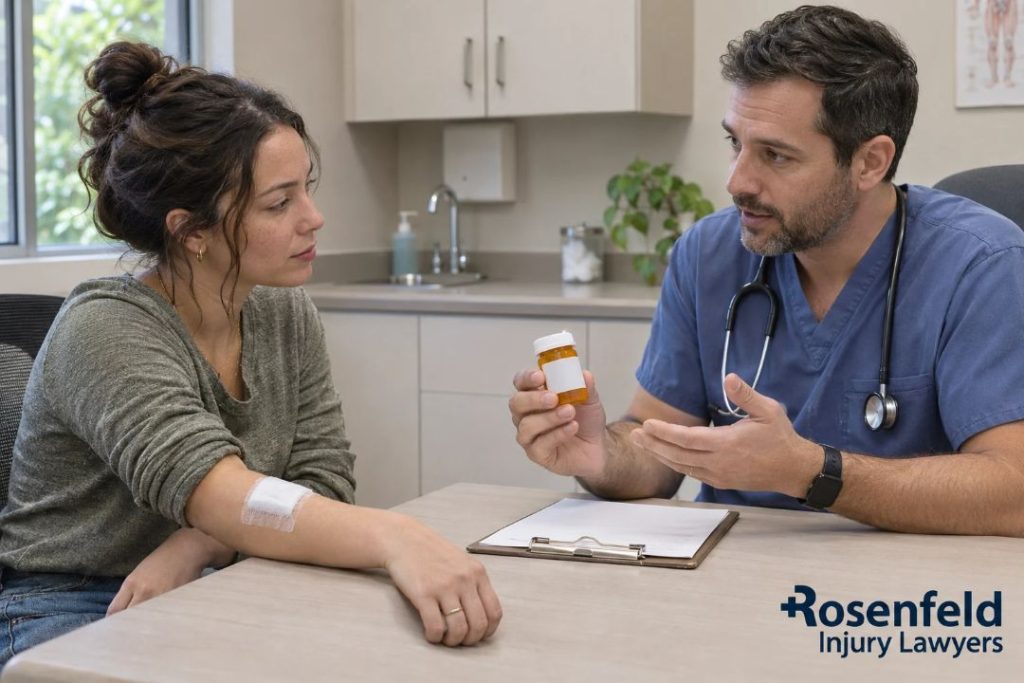
Not every dog bite requires antibiotics, but doctors may prescribe them to prevent infection in high-risk wounds or treat an infection that has already developed. Amoxicillin-clavulanate (Augmentin) is generally the first-choice antibiotic for dog bites because it covers many bacteria commonly associated with bite wounds.
Whether you need antibiotics depends on the wound’s location, depth, severity, and your health. Puncture wounds, bites to the hands or face, and injuries near joints may require preventive antibiotics even before signs of infection appear.
Which Dog Bites Need Antibiotics?
Doctors are more likely to recommend antibiotics when a bite has a higher risk of infection. Not every wound needs preventive medication, but certain injuries are more vulnerable because bacteria can enter deeper tissues or the wound is difficult to clean.
Antibiotics may be recommended for:
- Bites to the hands, face, or genitals: These areas contain delicate structures and may be more vulnerable to complications.
- Deep puncture wounds: Small openings can trap bacteria beneath the skin.
- Crush injuries: Damaged tissue may increase the risk of infection.
- Bites near joints, tendons, or bones: Infection could affect deeper structures.
- People with diabetes or weakened immunity: Their risk of complications may be higher.
- Older adults with underlying conditions: Health conditions may affect healing.
- Delayed medical treatment: Wounds that aren’t cleaned and assessed promptly may have a greater risk of infection.
Dog bites to the hand deserve particular attention because they can involve tendons, joints, nerves, and other structures. If you’ve suffered one, read about dog bite hand injuries and why prompt medical evaluation matters.
Doctors may also prescribe antibiotics for dog bite puncture wounds, especially when the wound is deep or difficult to clean.
Antibiotics aren’t a substitute for proper wound cleaning, examination, or follow-up care. A healthcare provider must assess whether preventive treatment is appropriate.
What Is the Best Antibiotic for a Dog Bite?
The antibiotic a doctor prescribes depends on the bacteria involved, the wound’s characteristics, your medical history, and whether you have any medication allergies.
Augmentin for a Dog Bite
Amoxicillin-clavulanate (Augmentin) is commonly prescribed for dog bites because it covers several bacteria that may be present in a dog’s mouth, including organisms that can cause skin and soft tissue infections.
It combines amoxicillin, a penicillin antibiotic, with clavulanate, which helps protect amoxicillin against certain bacterial enzymes. This combination makes it a preferred option for many dog bite wounds when antibiotics are needed.
Doctors may prescribe Augmentin to prevent infection after a high-risk bite or to treat an infection that has already developed. However, it isn’t appropriate for everyone, particularly people with certain penicillin allergies.
Antibiotics for People Allergic to Penicillin
If you have a penicillin allergy, your doctor may choose another antibiotic or a combination of medications based on your allergy history and the type of wound.
| Antibiotic | Why it may be prescribed |
| Doxycycline | May cover several bacteria associated with animal bites and can be an alternative in certain patients. |
| Trimethoprim-sulfamethoxazole (TMP-SMX) | May be used in combination with another antibiotic to provide broader coverage. |
| Clindamycin | May be combined with another medication to cover additional bacteria. |
| Metronidazole | May be added to another antibiotic for anaerobic bacterial coverage. |
| Fluoroquinolones | May be considered in selected cases as part of an alternative combination. |
These medications aren’t interchangeable. Some antibiotics may not cover all the bacteria commonly found in dog bites when used alone. Doctors may prescribe a combination to provide adequate coverage.
If you’re prescribed doxycycline for a dog bite, follow your doctor’s instructions and discuss concerns about allergies, side effects, or other medications you’re taking.
Do not switch antibiotics, stop taking them, or use leftover medication without medical guidance.
How Long Do You Take Antibiotics for a Dog Bite?
The length of treatment depends on whether antibiotics are being used to prevent an infection or treat one that has already developed.
For high-risk bites, doctors commonly prescribe a short preventive course of 3–5 days. If an infection is already present, treatment may last longer depending on its severity, location, and response to medication. More serious infections may require IV antibiotics or hospital care.
Follow your doctor’s prescribed course. Don’t stop early, extend it, or change the medication without medical advice, even if the wound looks better.
Side Effects and When to Call Your Doctor
Antibiotics can cause side effects, although not everyone experiences them. Common side effects may include:
- Nausea or upset stomach
- Diarrhea
- Vomiting
- Abdominal discomfort
- Yeast infections
Some people may experience allergic reactions. Seek urgent medical attention if you develop difficulty breathing, swelling of the face or throat, or a severe reaction after taking an antibiotic.
If side effects are affecting you, contact your doctor before stopping treatment. They may adjust your medication or recommend an alternative.
Signs the Antibiotics Aren’t Working
If your wound continues to worsen despite antibiotics, contact your healthcare provider. Increasing redness, swelling, warmth, pain, pus, or fever may indicate that the infection needs further evaluation.
Your doctor may reassess the wound, change your medication, or recommend additional treatment. Some infections involve bacteria that require different antibiotics or may need drainage.
Read more about serious infections from dog bites and their possible complications.
Antibiotics alone may not be enough if the wound needs further cleaning or other medical treatment.
Antibiotics, Medical Records and Your Claim
Treatment after a dog bite may involve antibiotics, wound care, follow-up visits, and other medical expenses. Keep copies of prescriptions, pharmacy receipts, medical bills, and records of any additional treatment.
These records can help document the medical care you received and the expenses related to your injury. If you’re unsure what to do immediately after an attack, review what to do after a dog bite.
You may also need a tetanus booster depending on your vaccination history and the wound. Read about when you may need a tetanus shot after a dog bite.
If you’re recovering from an injury, understanding how long a dog bite takes to heal may also help you prepare for follow-up care.
These records may also help document medical expenses in dog bite cases when pursuing compensation for your injury.
Frequently Asked Questions
No. Doctors don’t prescribe antibiotics for every dog bite. They assess the wound’s depth, location, severity, and infection risk. Preventive antibiotics are more likely to be recommended for deep punctures, bites to the hands or face, injuries near joints, and people with weakened immune systems or certain medical conditions.
Augmentin combines amoxicillin and clavulanate, which helps it fight a broader range of bacteria. Dog bite wounds may contain several types of bacteria, including those that can cause skin and deeper tissue infections. This combination is commonly recommended because it provides coverage against many bacteria associated with animal bites.
Doctors may consider alternatives such as doxycycline or combinations involving trimethoprim-sulfamethoxazole and another antibiotic. The choice depends on the type of allergy, your health, and the wound. Some alternatives may not cover all bite-related bacteria when used alone, so medical guidance is important.
If antibiotics are recommended, starting them promptly is important, especially for high-risk wounds. Don’t wait for signs of infection before seeking medical care. A doctor can clean and assess the wound, determine whether preventive antibiotics are appropriate, and prescribe treatment based on your circumstances.
Bottom Line
Antibiotics can help prevent or treat infections after a dog bite, but not every wound requires them. The right medication depends on the wound, your medical history, and the risk of infection. Prompt medical care, proper wound cleaning, and following your doctor’s treatment plan can help support recovery.
Get Legal Help After a Dog Bite
If you’ve been bitten by someone else’s dog in Illinois, you may be entitled to compensation for medical bills, medication, and other losses. Chicago Dog Bite Injury Lawyers can help you understand your legal options and pursue compensation for your injuries.
Contact us for a free consultation. You pay no attorney fees unless we win.
This article is general information, not legal advice.
 Legally Reviewed By
Attorney Jonathan Rosenfeld
Content legally reviewed by Jonathan Rosenfeld The information on this page has been legally reviewed by Attorney Jonathan Rosenfeld, founder and managing partner of Rosenfeld Injury Lawyers LLC. With extensive experience representing dog bite victims across Chicago, Mr. Rosenfeld is dedicated to helping injury victims hold negligent dog owners accountable and pursue the maximum compensation available under the law. His deep legal knowledge and commitment to client advocacy ensure that the information provided is accurate, reliable, and aligned with current legal standards.