- Free Case Evaluation: 312-779-6171 Tap Here To Call Us




Dog Attack Injuries: Types, Severity and Compensation


Dog attacks can be unpredictable. Even a bite that looks small on the surface can damage deeper tissue, while a forceful attack or an attempt to escape can cause falls, fractures, and other injuries. Some wounds heal with treatment. Others leave permanent scars, restricted movement, chronic pain, or emotional trauma that affects daily life long after the incident.
If a dog bites you or knocks you down, seek medical care and document what happened. Understanding the type and severity of your dog attack injuries can also help you assess the practical and financial consequences of the incident. In Illinois, owners are generally responsible for the behavior of their dogs, so they may be liable for injuries caused by an attack, subject to the applicable legal requirements.
A Chicago dog bite injury lawyer can explain how the law may apply to your circumstances and what evidence may support a claim.

Immediate and Visible Dog Bite Injuries
When a dog bites a person, the immediate injuries may range from shallow cuts to deep wounds that expose muscle or damage underlying structures. A wound can also become infected, and the extent of the damage is not always obvious at first. Medical assessment is especially important when a bite is deep, affects the face or hands, or causes significant bleeding.
Puncture Wounds and Lacerations
Victims of dog bites frequently deal with puncture wounds. When a dog’s teeth break through the skin, they can introduce bacteria and damage tissue beneath the surface. A puncture wound may look small while extending deeper than expected. Dog bites can also cause lacerations, which are tears in the skin that may have irregular edges and require professional cleaning, closure, or surgery.
Deep bites and tearing lacerations can damage muscle tissue, blood vessels, and other structures beneath the skin. Prompt treatment helps clinicians assess the injury, clean it appropriately, and decide whether antibiotics, a tetanus booster, or rabies-related treatment may be needed.
Scarring and Permanent Disfigurement
Dog attacks can leave permanent scars or disfigurement, particularly when bites tear tissue or affect the face, neck, or hands. Severe injuries may require reconstructive procedures, and complete restoration of the affected area may not be possible. Healing varies according to wound depth, location, infection, and treatment; some people may need scar treatment or reconstructive procedures.
For more information, read about dog bite scars and treatment.
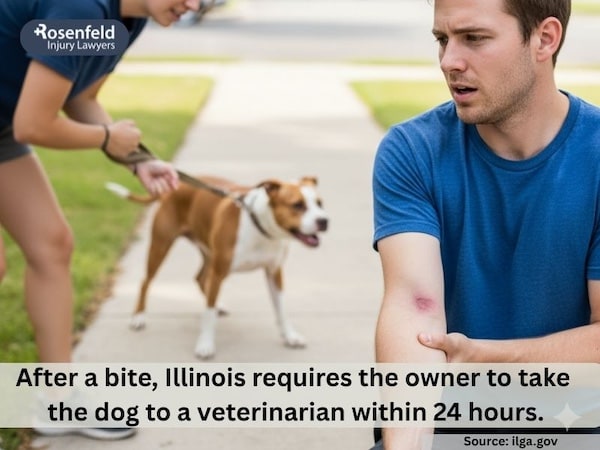
Severe Physical Injuries From Dog Attacks
Some dog attack injuries extend beyond the skin and require longer treatment or rehabilitation. A victim may need surgery, physical therapy, or follow-up care to regain strength and movement. The long-term effects depend on the structures damaged, the severity of the injury, and the person’s recovery.
Nerve, Muscle, and Tendon Damage
A dog bite can injure muscles and tendons, affecting grip strength, walking, or the ability to move a joint normally. Damage to these structures may result in lasting weakness, restricted movement, or chronic pain. Nerve injury may also cause numbness, altered sensation, weakness, or persistent pain. Learn more about nerve damage from a dog bite.
Broken Bones and Crush Injuries
Broken bones can occur when a dog bites down with force or when a person falls while trying to escape an attack. A powerful bite can also crush soft tissue around the injury. Fractures may require immobilization or surgery, followed by rehabilitation to restore movement and strength.
Even after a fracture heals, some victims experience lasting joint problems, chronic pain, stiffness, or reduced mobility. These limitations can affect work, hobbies, and other daily activities. Keep records of medical appointments, imaging, prescriptions, physical therapy, and time missed from work to document how the injury affects your life.
Dog Bite Severity Levels
Dog bite severity depends on more than how large the wound looks. Clinicians consider the depth and location of the injury, bleeding, tissue damage, possible infection, and whether nerves, tendons, joints, or bones may be involved. A bite to the face, hand, or a joint may need careful evaluation even if the skin opening appears small.
The table below describes general injury patterns, not a formal diagnostic scale. A healthcare professional should determine the seriousness of an individual wound.
| Injury pattern | Typical medical response | Possible relevance to a claim |
| Superficial scratch or shallow wound | Clean the wound and assess infection and vaccination concerns | Records can establish treatment needs, pain, and recovery time |
| Puncture wound or deeper laceration | Prompt medical evaluation; cleaning and assessment for tissue damage or infection | Depth, location, treatment, and healing may help document the injury’s impact |
| Severe tearing, crush injury, or uncontrolled bleeding | Urgent or emergency treatment; possible surgery | Records may document substantial treatment, time away from work, and rehabilitation |
| Suspected nerve, tendon, joint, or bone injury | Examination and potentially imaging, specialist care, or surgery | Follow-up findings can help establish lasting functional limitations |
A bite may be considered severe when it causes uncontrolled bleeding, extensive tissue damage, loss of function, or a deep wound that requires urgent care. Infection can also make an initially manageable wound more serious. The legal value of a claim does not depend on a severity label alone; medical evidence, the impact on daily life, and the circumstances of the attack all matter.
The High Risk of Infection From a Bite Wound
Dog bites can introduce bacteria into broken skin. The resulting infection may remain around the wound or, in uncommon cases, become a serious illness. Prompt medical evaluation is especially important for deep punctures, bites to the hands or face, and injuries involving crushed or torn tissue.
Bacteria associated with dog bite infections include Pasteurella and Capnocytophaga. Staphylococcus aureus, including MRSA, may also be relevant to wound infections. Rabies is a separate viral concern that depends on the animal and exposure circumstances; a healthcare professional or public health authority can assess whether preventive treatment is needed. Tetanus protection may also need review.
Watch for increasing pain, warmth, swelling, spreading redness or discoloration, pus or other drainage, blisters near the wound, or fever. More general symptoms can include vomiting, diarrhea, headache, confusion, or muscle and joint pain. Seek medical advice promptly if these symptoms appear or worsen, and tell the clinician about the dog bite. Capnocytophaga infections can progress quickly in some people, particularly those with certain underlying risk factors.
The CDC provides further information on Capnocytophaga symptoms and infection risks.
Permanent Injuries From a Dog Attack
Some dog attack injuries heal without lasting problems, while others leave effects that continue after the initial wound closes. Deep punctures and severe lacerations can damage tissue beneath the skin. In some cases, damaged tissue may require further procedures, and infection can complicate healing. The extent of recovery depends on the injury and the treatment needed.
Permanent scarring or disfigurement may remain after a wound heals, particularly when the face, neck, or hands are affected. Severe bites can also damage tendons, muscles, joints, or bones, leading to persistent weakness, stiffness, reduced range of motion, or chronic pain. Fractures and joint injuries may require surgery and rehabilitation; some people experience lasting limitations even after treatment.
Nerve injuries can affect sensation, strength, or movement, and the effects may require specialist assessment and ongoing care. Because nerve damage has its own causes, symptoms, and treatment considerations, see our separate page on dog bite nerve damage.
Long-term effects are not limited to physical symptoms. Some survivors experience anxiety, sleep problems, post-traumatic stress symptoms, or fear around dogs after an attack. These effects can interfere with work, relationships, and everyday activities. Medical records, rehabilitation notes, and documentation of how the injury affects daily life can help show the full extent of the harm.
Lasting Psychological Trauma
Although physical injuries from a dog bite can be damaging, the mental and emotional harm may also affect a victim’s life after the incident. Some survivors experience flashbacks, nightmares, severe anxiety, depression, or a persistent fear of dogs. These symptoms can affect sleep, concentration, relationships, and everyday activities.
Children may have particular difficulty understanding or processing a frightening attack. If emotional symptoms persist or interfere with school, sleep, relationships, or normal activities, a healthcare professional can help assess what support may be useful. Read more about the psychological effects of dog bites in children.

In the Most Tragic Dog Bite Cases: Fatal Dog Attacks
Though most victims survive dog attacks, some incidents result in death during the attack or from injuries sustained afterward. When a person dies, eligible surviving family members may be able to bring a wrongful death claim. The available claim and recoverable damages depend on the facts and applicable law.
These cases involve distinct legal issues and losses. For background on the scale of dog bite incidents, see our page on dog bite statistics.
Your Right to Compensation for Dog Attack Injuries
Under the Illinois Animal Control Act, an owner may be liable when a dog or other animal, without provocation, attacks, attempts to attack, or injures someone who is peaceably acting in a place where they may lawfully be. The law is set out in 510 ILCS 5/16. Whether it applies to a particular incident depends on the facts and the legal requirements.
A claim may seek compensation for losses caused by the injury, including medical expenses, lost income, reduced earning capacity, pain and suffering, and the effects of lasting impairment or disfigurement. The available damages depend on the evidence and the circumstances of the case; no particular outcome or settlement amount is guaranteed.
Documentation can help show how the attack affected you. Keep copies of medical records, bills, photographs, prescriptions, rehabilitation plans, and records of time missed from work. If symptoms continue, follow up with your healthcare provider and keep records of treatment and limitations.
Compensation for Dog Attack Injuries
The losses involved in a dog attack claim may include:
- Medical expenses: Emergency treatment, surgery, medication, rehabilitation, and reasonably supported future care.
- Lost wages and earning capacity: Income lost during recovery or reduced ability to earn because of lasting limitations.
- Pain and suffering: Physical pain and the personal impact of the injury.
- Disfigurement and emotional harm: The effects of scarring, lasting physical changes, or psychological symptoms.
- Wrongful death losses: In qualifying cases, losses available to eligible family members under applicable law.
Victims with lasting injuries may also need future surgeries, ongoing physical therapy, pain management, psychological counseling, or adaptations to their homes or vehicles. The categories and amount of recoverable damages depend on the case. Read more about dog bite damages.
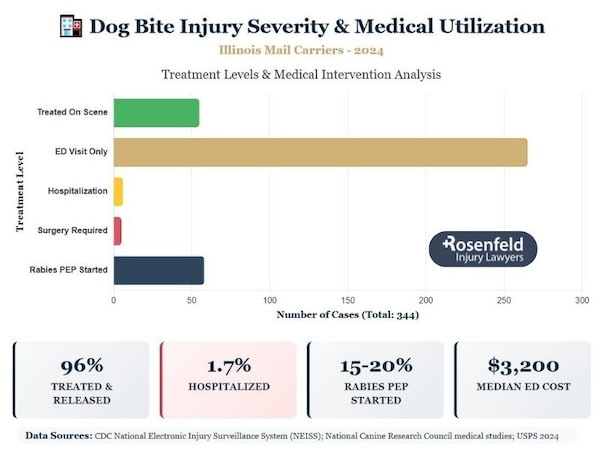
What to Do Immediately After a Dog Attack
The steps taken after an attack can help protect your health and preserve information about what happened. Medical treatment comes first, especially if the wound is deep or bleeding heavily.
- Get to safety. Move away from the dog if you can do so safely. Call emergency services if someone is seriously injured or in immediate danger.
- Control serious bleeding. Apply firm pressure with a clean cloth or dressing. Seek emergency help if bleeding will not stop or the wound is severe.
- Clean the wound if appropriate. For a minor wound, wash it thoroughly with soap and running water and cover it with a clean dressing. Do not delay urgent care to clean a serious wound.
- Get medical advice promptly. A clinician can assess tissue damage, infection risk, tetanus protection, and whether rabies-related evaluation or treatment is needed. Follow the treatment plan and seek care again if symptoms worsen.
- Record what happened. If possible, obtain the dog owner’s contact details and vaccination information, identify witnesses, and take photographs of the scene and injuries when safe to do so.
- Keep your records. Save medical bills, prescriptions, appointment notes, receipts, and evidence of missed work or other losses.
For more first-aid guidance, see the Mayo Clinic’s animal-bite first-aid advice.
Frequently Asked Questions About Dog Attack Injuries
Common dog attack injuries include puncture wounds, lacerations, bruising, and torn skin. More serious attacks can damage muscles, tendons, nerves, joints, or bones. Some victims also develop infections, permanent scars, or psychological symptoms. The injuries depend on the force and location of the attack and whether the person was bitten, knocked down, or injured while trying to escape.
A puncture wound can be more serious than it looks because a dog’s teeth may carry bacteria deep beneath the skin. The wound may also damage structures below the surface. Seek prompt medical advice for a deep puncture, a bite to the hand or face, worsening pain or swelling, or any concern about infection, tetanus, or rabies exposure.
Yes. A dog bite can injure nerves, potentially causing numbness, altered sensation, weakness, or persistent pain. Whether the damage is temporary or permanent depends on the type and severity of the injury and the course of treatment. A clinician can assess symptoms and recommend appropriate care. For more detail, see our page on dog bite nerve damage.
Warning signs include increasing pain, warmth, swelling, redness or discoloration, pus or other drainage, and fever. Some infections may also cause blisters, vomiting, headache, confusion, or muscle and joint pain. Contact a healthcare professional promptly if symptoms appear or worsen, and mention the dog bite. Serious symptoms or rapidly worsening illness require urgent medical attention.
There is no fixed compensation amount for dog attack injuries. A claim’s value may depend on the severity of the injury, medical costs, future treatment needs, lost income, lasting impairment, pain and suffering, and the available evidence. Prior settlements do not guarantee a similar result in another case. A lawyer can review the circumstances and explain which losses may be recoverable.
Dog attack injuries can affect your health, work, finances, and sense of security. If you are dealing with significant medical bills, ongoing treatment, scarring, or lasting physical or emotional effects, Rosenfeld Injury Lawyers LLC can discuss your circumstances and explain possible next steps.
The firm offers a free consultation and works on a contingency fee basis, so you owe nothing for legal services unless the firm wins. To discuss your dog attack injuries and potential claim, call 312-779-6171 or contact Rosenfeld Injury Lawyers LLC.
This article is for general information and is not legal advice.
 Legally Reviewed By
Attorney Jonathan Rosenfeld
Content legally reviewed by Jonathan Rosenfeld The information on this page has been legally reviewed by Attorney Jonathan Rosenfeld, founder and managing partner of Rosenfeld Injury Lawyers LLC. With extensive experience representing dog bite victims across Chicago, Mr. Rosenfeld is dedicated to helping injury victims hold negligent dog owners accountable and pursue the maximum compensation available under the law. His deep legal knowledge and commitment to client advocacy ensure that the information provided is accurate, reliable, and aligned with current legal standards.