- Free Case Evaluation: 312-779-6171 Tap Here To Call Us




How to Prevent a Dog Bite From Scarring


Taking Proactive Steps to Minimize Scarring After a Dog Bite
A dog bite can leave more than a painful wound. Deep cuts, torn skin, and infection can affect how the injury heals and whether a lasting scar develops. You cannot guarantee that a scar will be avoided, but prompt medical care and careful aftercare can help protect the wound as it heals. If you have been bitten, focus first on getting the injury assessed and following the treatment plan.
The Most Important Step: Seek Immediate Medical Attention
Your top priority after being bitten by a dog is to seek medical attention immediately. A clinician can assess the wound’s depth, check for damage to nerves or other structures, clean it appropriately, and decide whether you need antibiotics, a tetanus booster, or rabies-related care. Deep, gaping, or badly torn wounds need prompt assessment. The CDC’s guidance on dog bites and wound care explains when to seek medical attention and what symptoms can indicate infection.
Your doctor will decide how the wound should be cleaned and whether it needs stitches or another form of closure. Some wounds benefit from closure, while others, particularly certain bite wounds, may need to be left open because of infection risk.
Do not delay care while trying to decide whether the wound is serious enough for stitches. The best approach depends on the injury’s location, depth, contamination, and timing, so let a healthcare professional assess it.
Following Your Doctor’s Aftercare Instructions is Crucial
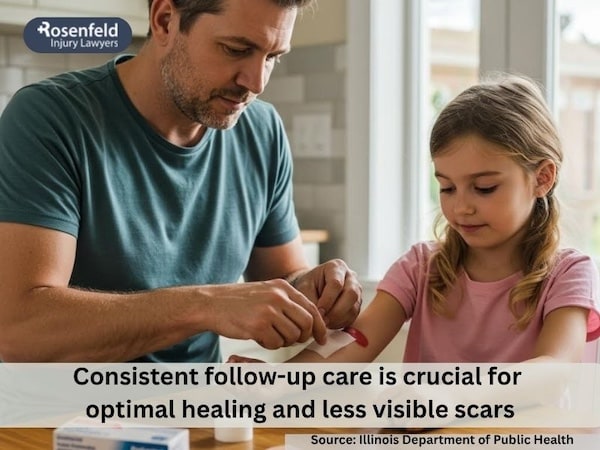
Follow the instructions you receive at your appointment, even if the wound begins to feel better. Take prescribed medication as directed, attend follow-up visits, and ask when stitches or other wound closures should be checked or removed. Keep the dressing in place for the period your clinician recommends; change it sooner if it becomes wet, dirty, or loose, unless you have been given different instructions. If you are unsure how to clean the wound or change the dressing, ask your care team to demonstrate.
Keeping the Wound Clean and Moist to Promote Healing
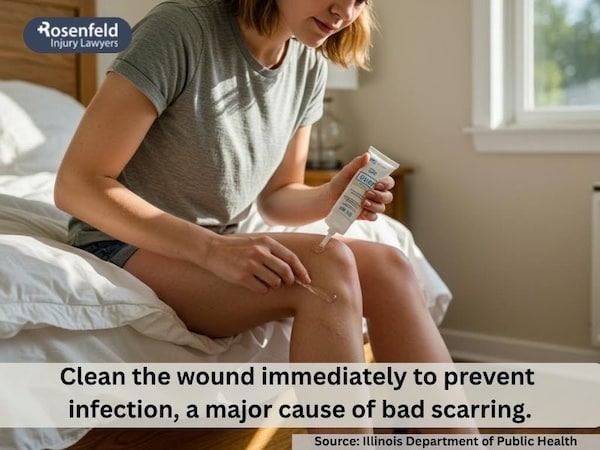
Keeping a wound clean helps reduce the risk of infection, which can complicate healing. Follow your clinician’s cleaning instructions. For a minor wound where home care has been recommended, gently wash with soap and clean running water, then cover it with a clean, non-stick dressing if advised.
Avoid scrubbing, picking at the wound, or applying products that your clinician has not recommended. Keep the dressing clean and replace it as directed. Do not put silicone scar sheets, scar gels, or other scar treatments on an open wound unless your healthcare professional specifically tells you to do so.
The AAP’s guidance on treating animal bites also emphasizes getting medical advice for animal-bite wounds.
Protecting the Wound as It Heals
Protect the injured area while the skin repairs itself. Do not pick at scabs or pull at healing skin; doing so can reopen the wound and interfere with healing. Avoid activities or movements that stretch, rub, or put pressure on the injured area, especially if the wound is near a joint. Follow your clinician’s advice about returning to exercise, work, or other activities. Once the wound has fully closed, ask whether sun protection is appropriate for the area, as protecting healing skin from sunlight may help limit discoloration. Scarring can still occur even when you follow every instruction, but protecting the wound gives it a better chance to heal without avoidable setbacks.
Warning Signs: When to Contact Your Doctor Again
Contact a healthcare professional promptly if the wound becomes increasingly red, warm, swollen, or painful; if redness spreads; if pus or an unusual discharge appears; or if you develop a fever. Seek urgent care for uncontrolled bleeding, severe pain, loss of movement or sensation, or a wound that opens again. Do not wait for a scheduled follow-up if symptoms are worsening. If you have questions about infection or whether the wound needs another assessment, contact your clinician. The CDC lists increasing redness, pain, swelling, and fever among signs that may indicate an infected wound.
What to Expect During the First Two Weeks
- First 24 hours: Get medical care, follow wound-cleaning instructions, and ask about infection prevention, tetanus, and rabies risk.
- Days 2–3: Follow dressing instructions and watch for increasing pain, redness, warmth, swelling, discharge, or fever.
- Days 4–7: Keep any follow-up appointments and follow advice about activity, dressing changes, and stitches.
- Days 8–14: Continue protecting the healing area. Ask your clinician before changing the care routine or applying scar products.
- Throughout the first two weeks: Healing varies by wound and person. Seek medical advice if the wound worsens or does not seem to be healing as expected.
Long-Term Care for a Healing Scar
Even after a wound closes, a scar may develop. Follow your clinician’s advice about protecting the healed skin, and see our page on dog bite scars and disfigurement for information about longer-term scar concerns and the legal issues that may arise from lasting injuries.
Your Legal Rights: Holding Dog Owners Financially Responsible
Under Section 16 of the Illinois Animal Control Act, 510 ILCS 5/16, a dog’s owner may be liable for injuries caused when the animal attacks or injures someone who is acting peacefully and is lawfully present, provided the attack is without provocation. The statute’s requirements depend on the circumstances of the incident. Read more about Illinois dog bite laws.
Contact Our Illinois Dog Bite Lawyers for a Free Consultation
A dog bite can mean medical appointments, time away from work, and concern about whether an injury will leave a lasting scar. If you have questions about your legal options, our team can discuss the circumstances of the attack and explain the next steps that may be available.
Our firm can review the incident, help gather relevant records, and discuss a potential claim under Illinois law. The firm states: “When you work with our firm, we will sign a contingency fee agreement. This means there are no upfront costs for our services, and we only receive payment from the settlement amount if we win the case.” Ask the firm to explain the agreement’s terms during your consultation.
Call 312-779-6171 to arrange a free consultation. Contacting a lawyer does not replace medical care, and you should not delay treatment while considering a legal claim.
Frequently Asked Questions
It can, particularly if the bite causes a deep puncture, torn skin, tissue damage, or infection. The final appearance depends on the wound and how it heals, so no one can guarantee that a scar will be prevented. Prompt medical assessment and following wound-care instructions can help reduce avoidable healing problems.
Healing time depends on the wound’s depth, location, whether infection develops, and the treatment needed. A minor wound may heal faster than a deep or torn injury that requires closure or follow-up care. Follow your clinician’s instructions and seek advice if the wound worsens or does not seem to be healing as expected.
Contact your healthcare professional if you notice increasing redness, warmth, swelling, pain, discharge, or fever, or if the wound opens. Seek urgent care for uncontrolled bleeding, severe pain, or loss of movement or sensation. Follow the planned appointment schedule for wound checks or stitches, but do not wait for an appointment if symptoms are worsening.
Medical information
This article provides general information and is not medical advice. A healthcare professional can assess your specific injury and recommend appropriate treatment.
Legal information
This article provides general information and is not legal advice. Whether a person may bring a claim depends on the facts and applicable law.
 Legally Reviewed By
Attorney Jonathan Rosenfeld
Content legally reviewed by Jonathan Rosenfeld The information on this page has been legally reviewed by Attorney Jonathan Rosenfeld, founder and managing partner of Rosenfeld Injury Lawyers LLC. With extensive experience representing dog bite victims across Chicago, Mr. Rosenfeld is dedicated to helping injury victims hold negligent dog owners accountable and pursue the maximum compensation available under the law. His deep legal knowledge and commitment to client advocacy ensure that the information provided is accurate, reliable, and aligned with current legal standards.