- Free Case Evaluation: 312-779-6171 Tap Here To Call Us




Psychological Effects of Dog Bites in Children


Understanding the Invisible Wounds of a Dog Attack
At Dog Bite Injury Lawyer, we know dog bite PTSD in children is a devastating but often overlooked consequence of a dog attack. The psychological effects of dog bites can include PTSD, anxiety, nightmares, fear of dogs, avoidance, and other emotional changes that interfere with a child’s daily life. Even after medical care for facial wounds and other severe injuries, young victims may develop post-traumatic stress disorder, panic attacks, and lasting psychological trauma.
Children who experience dog attacks may face lasting emotional challenges. Families can learn more about their legal options by speaking with a child dog bite lawyer. Recognizing these psychological effects is crucial to helping children heal and feel safe again. A 2024 review in BMJ Pediatrics Open found that PTSD, dog phobia, nightmares, anxiety, and avoidance behaviors were among the most commonly reported psychological consequences in children after dog bites. Promoting dog bite prevention through education and responsible pet ownership can help reduce future attacks and protect children from lasting trauma.
Why Children Are More Vulnerable to Lasting Trauma from Dog Bites
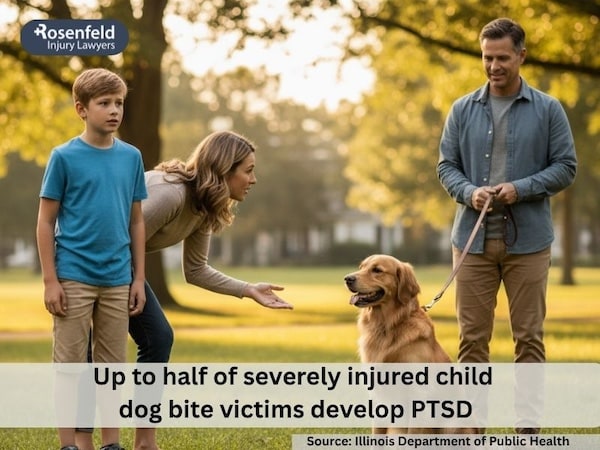
Young children are at greater risk of severe injuries and psychological harm after a dog bite attack. Because of their small size, an encounter with a large dog can feel like an adult being attacked by a bear: overwhelming and terrifying. This physical disadvantage also means bites often target the face, neck, and upper body, leading to facial injuries, reconstructive surgery, and permanent scarring.
Research published in 2024 found that younger children are particularly vulnerable to head and neck bites, which can cause severe physical injuries and significant psychological distress. The review in Children examined research involving children ages 1 to 14 and identified PTSD as a common psychological outcome.
Children may also experience an attack differently when the dog is familiar. A bite from a family pet, neighbor’s dog, or another animal the child previously trusted can make it harder for the child to understand why the attack happened or feel safe around dogs again.
Just as serious are the psychological effects. A child’s developing mind cannot process trauma like an adult can. Panicking, intense fear of animals, and other long-term emotional consequences are common, especially when the dog was familiar or once trusted, creating lasting psychological damage and emotional suffering that can shape their development for years.
These psychological effects do not always appear immediately. Some children seem fine after receiving emergency medical care and develop anxiety, avoidance, sleep problems, or fear weeks later. Parents should continue watching for behavioral changes and seek a pediatric or qualified mental health assessment if concerns persist.
Signs of PTSD and Emotional Distress in Your Child
After a violent dog attack, the emotional toll may not be immediately visible, but it can manifest through clear warning signs. Parents should watch for post-traumatic stress disorder (PTSD) symptoms and other emotional consequences that may indicate their child is struggling with the aftermath of dog bite injuries.
Some children do not describe their fear as trauma. Instead, parents may notice changes in everyday behavior that were not present before the attack. These can include:
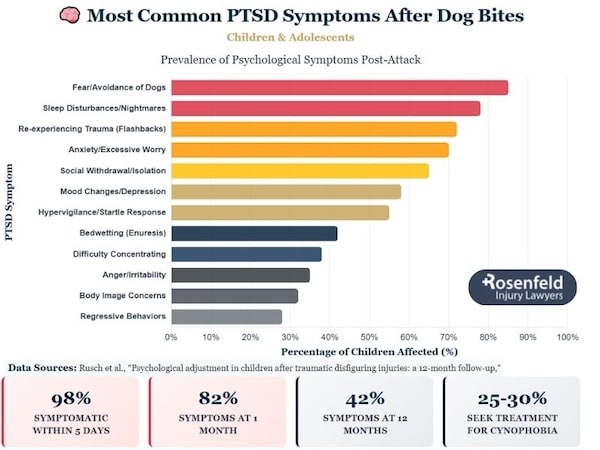
- Recurring nightmares or flashbacks of the dog bite attack
- New or intensified fear of dogs (cynophobia) or other animals
- Social withdrawal, refusing to play outside, or visiting friends
- Uncharacteristic aggression or irritability, especially in young survivors
- Sleep disturbances, including trouble falling or staying asleep
- Bedwetting or regression to earlier developmental stages
- Clinging to parents or heightened separation anxiety
- Avoiding a familiar walking route, park, neighbor’s home, or other place where a dog might be present
- Refusing to go outside or becoming unusually fearful of leaving home
- Difficulty concentrating at school or a noticeable decline in school performance
A 2024 review of psychological effects in children reported nightmares, anxiety, avoidance, dog phobia, and PTSD among the documented consequences of dog bites. A separate 2024 review similarly identified nightmares, flashbacks, anxiety, and social withdrawal. These signs do not by themselves establish a PTSD diagnosis. Only a qualified clinician can diagnose PTSD or another mental health condition.
Common Psychological Injuries in Child Dog Bite Cases
PTSD is just one of several psychological disorders children may face after being attacked by a dog. Many young children also develop phobias, anxiety, or lasting emotional trauma that requires specialized care.
Post-Traumatic Stress Disorder (PTSD)
After a traumatic event such as a dog bite attack, many child victims develop post-traumatic stress disorder, a serious condition that can last for years without treatment.
PTSD in young children often includes flashbacks or nightmares about the animal bite, severe anxiety around dogs, and avoidance of anything that reminds them of the incident. Dog bite PTSD can also interfere with sleep, school, family relationships, and ordinary activities. These symptoms can disrupt school, friendships, and normal development, making early intervention crucial.
Cynophobia (An Intense and Overwhelming Fear of Dogs)
Beyond general anxiety, some child victims develop cynophobia, an extreme, debilitating fear of dogs. This goes far beyond normal caution; it can prevent a child from playing outside, visiting friends with pets, or even walking down the street. Cynophobia can significantly limit a child’s freedom and lead to social isolation and other emotional repercussions.
Agoraphobia and Social Anxiety
Severe emotional distress from dog bite injuries can also lead to agoraphobia or heightened social anxiety. A child may fear leaving the safety of home out of concern that they will encounter a dog in public, resulting in reduced social interaction, missed school days, and lasting psychological effects.
Body Image Issues and Trauma from Scarring
When a dog bite leaves visible scars, especially in young children, the psychological toll can be profound. Scarring on the face or neck often damages self-esteem, causes embarrassment, and creates long-term body image issues. Learn more about dog bite scars and disfigurement and the physical and emotional challenges children may face.
This emotional turmoil can shape a child’s confidence, relationships, and social development for years to come, even after plastic surgery or other medical care.
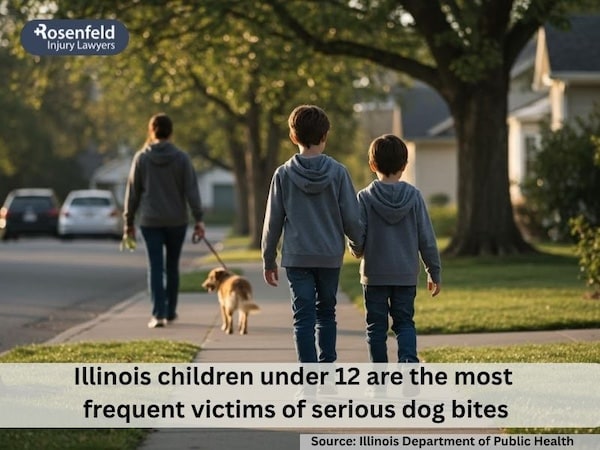
How a Dog Attack Can Impact a Child’s Long-Term Development
Severe trauma from a dog bite can leave lasting effects on a child’s developing brain. PTSD and related injuries don’t just cause temporary distress. They can affect sleep, concentration, emotional regulation, relationships, school participation, and a child’s willingness to take part in normal activities.
These psychological effects can continue into adulthood, affecting self-esteem, opportunities, and overall well-being. Early recognition and appropriate treatment may help a child manage trauma and reduce the risk that symptoms interfere with long-term development.
Your Family’s Legal Rights Under the Illinois Animal Control Act
Under 510 ILCS 5/16 of the Illinois Animal Control Act, a dog owner may be liable when a dog, without provocation, attacks, attempts to attack, or injures a person who is peaceably conducting themselves in a place where they may lawfully be.
This strict liability standard means a prior history of aggression is not required for a claim under the statute when its requirements are met. This strict liability standard ensures that child victims of dog bites, cat bites, or other animal bites have a clear path to recover financial compensation for medical care, reconstructive procedures, therapy, and the psychological consequences of a dog bite attack.
The statute also broadly defines an “owner” to include anyone who keeps, harbors, or has care of the animal. Families should have an attorney review the specific facts of an incident before assuming the statute applies.
By holding dog owners accountable, Illinois law provides crucial safeguards for children and families facing the aftermath of violent attacks.
What Compensation Can Be Claimed for a Child Victim’s Psychological Injuries?
When a child is traumatized by a dog bite attack, Illinois law allows families to seek financial compensation for both the immediate medical care and the long-term impact.
Damages may include:
- Current and future therapy and counseling costs
- Psychiatric care and medication expenses
- Special education or tutoring services
- Pain and suffering
- Loss of a normal life
- Costs of reconstructive surgery or medical care
- Future care needs, such as ongoing monitoring by child psychologists
Psychological trauma may be part of the overall damages claim when supported by appropriate medical or mental health evidence. Families can also learn more about emotional distress damages after a dog bite and the factors that may affect a child’s claim.
How Illinois Law Protects a Child’s Settlement
Illinois has safeguards to protect compensation awarded to minors in dog bite cases. When a child receives a settlement for physical injuries or PTSD, court approval and specific procedures may apply to a minor’s settlement, depending on the circumstances of the case.
The precise way settlement funds are approved, deposited, managed, or distributed depends on the child’s circumstances and the applicable court procedures. Parents should not assume that every minor’s settlement automatically goes into a particular type of trust, annuity, or structured settlement.
Before publication, have Illinois counsel confirm the current court-approval and settlement-protection requirements for minors described in this section.
What Evidence Can Help Prove a Child’s PTSD and Emotional Trauma?
Our Illinois dog bite attorneys use an evidence-based approach to prove a child’s PTSD and psychological impacts. Evidence may include:
- Pediatric and emergency medical records documenting the attack and physical injuries
- Records from psychologists, psychiatrists, therapists, or other qualified mental health professionals
- Treatment plans, therapy notes, and evaluations documenting symptoms and progress
- School records showing changes in attendance, concentration, grades, behavior, or participation
- Statements from parents, teachers, caregivers, and other people who observed changes after the attack
- A parent’s contemporaneous journal documenting nightmares, avoidance, anxiety, sleep changes, and other behavioral changes
- Expert testimony addressing the child’s psychological condition and whether the dog attack caused or contributed to the reported symptoms
This evidence can help establish the nature, severity, duration, and impact of a child’s psychological injury. A qualified mental health professional, rather than a lawyer, should determine whether a child meets the diagnostic criteria for PTSD.
What Makes Us the Best Dog Bite Attorney Team for Illinois Families?
With decades of experience handling Illinois dog bite cases, our legal team has built a strong reputation for achieving results for families. We understand the full scope of physical injuries and psychological issues and use our extensive knowledge of Illinois law to fight for maximum compensation.
We offer:
- Child-Focused Advocacy – Skilled at documenting the long-term psychological and physical effects on children
- Deep Knowledge of Illinois Animal Bite Law – Applying Illinois statutes to dog bite injury claims
- Comprehensive Case Management – From investigation to settlement, we handle every aspect of your case
- Compassionate Representation – Free, confidential consultations and no fees unless we win
The goal is to give families a clear understanding of their legal options without making promises about the outcome of a case.
Our Settlements for Child Dog Bite Victims in Illinois
The following reported case results should be presented only if they have been verified by the firm and remain approved for publication. Each figure should be identified as an example of a past result, not a prediction of what another family may recover.
- $1,200,000 Recovery – We secured the full policy limit for a toddler attacked by a relative’s Doberman Pinscher, which caused severe facial wounds and permanent scarring.
- $375,000 Settlement – Obtained for a three-year-old child mauled by a pit bull, resulting in surgery and lasting facial scars.
- $195,500 Settlement – Recovered for an 11-year-old bitten by a neighbor’s dog that escaped from a fenced yard, causing significant injuries.
Illinois Dog Bite PTSD FAQs
The value of a PTSD claim varies depending on the severity of the psychological damage, therapy needs, and long-term impact on the child’s life. Settlements can cover therapy, medical bills, pain and suffering, and loss of a normal life.
The deadline depends on the circumstances, including the child’s age when the injury occurred. Under 735 ILCS 5/13-211, a person who was under 18 when the cause of action accrued generally may bring the action within two years after turning 18, subject to applicable exceptions. Because limitation rules can vary by the facts, families should have an Illinois attorney review the deadline rather than relying on a general rule. Learn more about how long you have to file a dog bite lawsuit.
Cognitive behavioral therapy (CBT), play therapy, trauma-focused therapy, and counseling with child psychologists are often effective in helping dog bite victims recover from PTSD and emotional distress. Treatment depends on the child’s age, symptoms, diagnosis, and clinical needs, so parents should seek an assessment from a qualified pediatric or mental health professional.
Under the Illinois Animal Control Act’s strict liability rule, dog owners are generally responsible for injuries their animal causes, when the statutory requirements are satisfied, including that the person was acting peaceably, was in a place where they had a legal right to be, and did not provoke the animal.
The psychological effects of dog bites in children can include PTSD, nightmares, anxiety, fear of dogs, avoidance, sleep problems, social withdrawal, and separation anxiety. Some children may also have trouble at school or with everyday activities. A qualified clinician should evaluate persistent or worsening symptoms rather than parents attempting to diagnose PTSD themselves.
Children are physically smaller and may be closer to a dog’s head during an interaction, putting their face and head at greater risk of injury. A 2024 review found that younger children were particularly vulnerable to head and neck bites, which can result in severe physical injuries and psychological distress.
Contact a Compassionate Illinois Dog Bite Attorney Today
If your child is suffering from injuries or PTSD after a dog bite attack, an experienced Chicago child dog bite injury attorney is here to help. We understand the emotional and financial toll these cases take and will fight for the compensation your child deserves.
Call us today for a free, completely confidential consultation. There’s no fee unless we win your case.
This article is for general information and is not legal advice.
 Legally Reviewed By
Attorney Jonathan Rosenfeld
Content legally reviewed by Jonathan Rosenfeld The information on this page has been legally reviewed by Attorney Jonathan Rosenfeld, founder and managing partner of Rosenfeld Injury Lawyers LLC. With extensive experience representing dog bite victims across Chicago, Mr. Rosenfeld is dedicated to helping injury victims hold negligent dog owners accountable and pursue the maximum compensation available under the law. His deep legal knowledge and commitment to client advocacy ensure that the information provided is accurate, reliable, and aligned with current legal standards.