- Free Case Evaluation: 312-779-6171 Tap Here To Call Us




What to Do After a Dog Bite?


Seek Medical Attention for All Animal Bites
What to do after a dog bite? This might be your first question after a dog bite.
While dog bites are often preventable with measures such as teaching children not to approach an unfamiliar dog without the owner’s permission, even family pets may attack, especially if they are startled awake or are protecting puppies.
Whether you were attacked by a family pet or an unfamiliar dog, you should immediately prioritize your personal safety. If the dog owner is present, ask them to restrain the animal. You should always seek professional medical treatment as soon as possible and contact a Chicago dog bite injury lawyer.
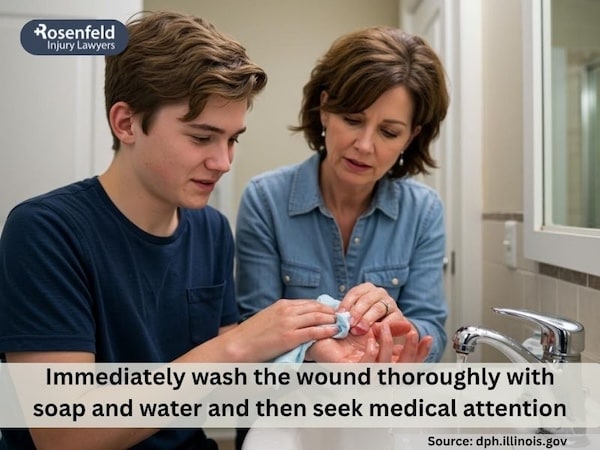
How to Provide First Aid for Minor Dog Bites
What steps to take after a dog bite? Well, minor bites may not require immediate medical attention, although you should still monitor the wound for signs of infection. Follow these steps as soon as possible.
- Place the wound under running water to help rinse the blood.
- Wash the wound with warm water and mild soap.
- Apply gentle, direct pressure with a clean cloth to stop any bleeding.
- Apply antibiotic ointment to the skin.
- Cover the wound with a sterile bandage.
You should repeat these steps at least twice a day, replacing the old bandage with a clean dressing each time. When you apply a clean bandage, check for signs of a serious infection.
When is Emergency Medical Care Necessary?
Not all dog bites require a visit to the emergency room; however, all dog attack injuries should be carefully monitored to ensure they do not become infected. If the victim is bleeding severely, always apply pressure to the wound and get to the ER.
If any of these circumstances apply, visit a doctor immediately.
- Deep puncture wounds
- Uncontrolled bleeding
- Bites to the face, neck, head, hands, or joints
- Bites to a person at higher risk of infection, such as children and the elderly
- Feeling sick, feverish, or faint
Watch for These Common Signs of Infection
Dog bite victims can reduce the risk of serious complications by carefully monitoring the injury for infection. A dog bite personal injury lawyer advises you to watch these common symptoms:
- Spreading redness
- Increased pain and tenderness
- Swelling
- Warmth around the injury
- Pus or drainage from the wound
- Fever
Waiting Longer Raises Your Risk of Infection and Other Complications
A dog’s mouth and teeth are coated in bacteria. There are approximately 600 different species of bacteria in their mouth, and some dogs may also have extremely dangerous viruses. Some of the most serious infections that can result from a dog bite include the following.
Rabies: The rabies virus attacks a person’s central nervous system and is typically spread through infected animal bites, including wild animals and unvaccinated dogs. If left untreated, it is almost always fatal. Symptoms can develop months after being bitten, making it crucial that you get rabies shots right away.
Tetanus: This disease results from contact with the bacterium Clostridium tetani. The toxin can lead to uncontrollable and painful muscle spasms, cramps, and seizures. It can also lead to lockjaw, which makes eating, drinking, or talking extremely difficult. Fortunately, most Americans have received a tetanus shot, although they may need a booster after an animal bite.
Other Infections: Other common germs in dog bites include Capnocytophaga, which can cause joint and heart inflammation, and Staphylococcus, which can lead to a skin infection known as cellulitis.
After You Seek Medical Care, Report the Bite to Animal Control
When you consider what to do after a dog bite, you can’t miss this step. After you have treated your injury, you must report the bite to your local authorities. Reporting a dog bite to the local Animal Control office is a vital step for both your legal rights and public safety. This creates a public record of the dog’s dangerous behavior, which can lead to its removal from the owner if it bites other animals or people.
The Illinois Animal Control Act allows public health officials to quarantine a dangerous animal, assess the dog’s behavior, and determine whether it poses a further risk to public safety (510 ILCS 5/). Your report also creates a record of the incident that you can use to make a claim.
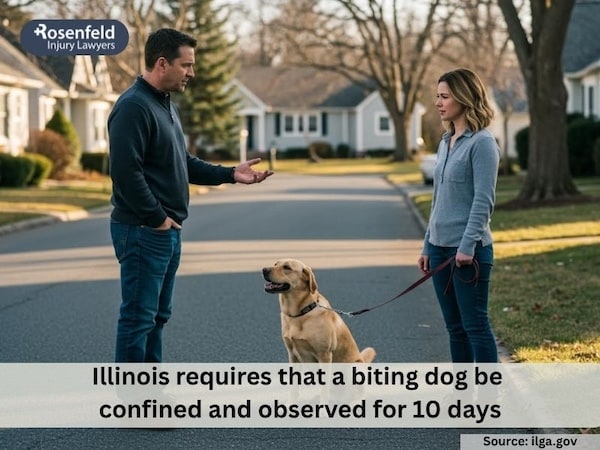
Identify the Dog and Its Owner
Get the dog owner’s name, address, and contact information. Note the animal’s weight, coat color, gender, and possible breed. Request proof of a rabies vaccination and other vaccinations.
Document Everything Related to the Attack
Your personal narrative of the dog bite will play a key role in legal proceedings. Your documents should include the following.
- Clear photos of the injuries, both immediately after being bitten and during recovery
- Torn and bloody clothing or other personal items
- Photos of the attack location, including any broken fences or other barriers
- Names and contact information for any witnesses
If possible, explain what happened right before and after the dog bite. For example, if the dog charged you when you walked past their driveway, discuss whether there were any restraints in place, like a leash or a fence.
Note any evasive actions you took before the bite, like backing away, yelling at the dog, or restraining your own pet. Additionally, document whether the animal showed any strange behaviors, like drooling.
Keep a Journal of Your Recovery and Expenses
Document your recovery process as you heal, both with pictures and written notes. For example, explain your pain levels and any difficulties with daily living, like typing or completing household chores.
You should also include all expenses, such as hospital invoices, medications, over-the-counter treatments, tetanus shots, rabies shots, mileage to and from the hospital, and time off work.
Avoid Speaking With the Owner’s Insurance Company
Do not give a recorded statement, sign any documents, or accept dog bite settlement offer without first talking to an attorney. The insurance company will use anything you say to minimize your payout and reduce its own liability.
Consult With an Experienced Illinois Dog Bite Attorney
A dog bite compensation lawyer will help you explore your legal options, protect your rights under the Illinois Animal Control Act, and negotiate with the insurance company so that you can prioritize your health.
What Makes Us The Best Lawyers for Dog Bite Victims in Illinois?
Our attorneys are Million Dollar Advocates, having secured over $450 million in settlements and successful verdicts over the past 25 years. As proud members of the Illinois Trial Lawyers Association, we have a 98% success rate across 5,000 cases. Additionally, Dog Bite Injury Lawyer is a Super Lawyers-rated firm and is proudly included in the directory of Best Attorneys of America.
Our Dog Bite Settlements in Illinois
$1,200,000: Hannah, a Plainfield toddler, was playing with a relative’s Doberman Pinscher when it suddenly turned on her. She suffered severe facial injuries to her head and neck that resulted in permanent scarring.
$885,000: Jason, a teenage boy, was enjoying a family cookout in Fox Lake when he was chased into a bonfire by a large, aggressive dog. He suffered both burns and multiple dog bites that required extensive treatment, including skin grafts.
$177,555: Bryant was completing his daily deliveries as an Amazon driver when a customer’s Giant Schnauzer bit him on his dominant hand, causing permanent nerve damage. He had to take an extended leave of absence from work.
Schedule a Free Consultation After You Seek Medical Attention
While responsible ownership can reduce the risk of dog bites, dog bites are a tragically common occurrence that result in thousands of ER visits a year. If a dog has bitten you or your child, you have legal rights and can pursue compensation. Our firm works on a contingency fee basis: no fees unless we win. Contact us today to schedule your free consultation with an award-winning dog bite attorney in Chicago.
FAQs
Clean the wound with soap and water, control any bleeding, and seek medical attention. You should also identify the dog and owner, report the incident, and document your injuries.
Yes. Even minor-looking wounds can become infected or involve deeper tissue damage. Medical care can also document your injuries and treatment.
Yes. Reporting the incident to the appropriate animal control or public health authority can create an official record and help address potential risks from the dog.
Depending on the circumstances, you may be able to recover compensation for medical expenses, lost wages, pain and suffering, and other damages under Illinois law.
Be cautious before giving a recorded statement or accepting a settlement. A Chicago dog bite attorney can communicate with the insurer and help protect your interests.
Illinois generally has a two-year statute of limitations for personal injury claims, although exceptions may apply. Consult an Illinois dog bite attorney promptly to understand the deadline for your specific case.
 Legally Reviewed By
Attorney Jonathan Rosenfeld
Content legally reviewed by Jonathan Rosenfeld The information on this page has been legally reviewed by Attorney Jonathan Rosenfeld, founder and managing partner of Rosenfeld Injury Lawyers LLC. With extensive experience representing dog bite victims across Chicago, Mr. Rosenfeld is dedicated to helping injury victims hold negligent dog owners accountable and pursue the maximum compensation available under the law. His deep legal knowledge and commitment to client advocacy ensure that the information provided is accurate, reliable, and aligned with current legal standards.