- Free Case Evaluation: 312-779-6171 Tap Here To Call Us




How Long Does a Dog Bite Take to Heal?


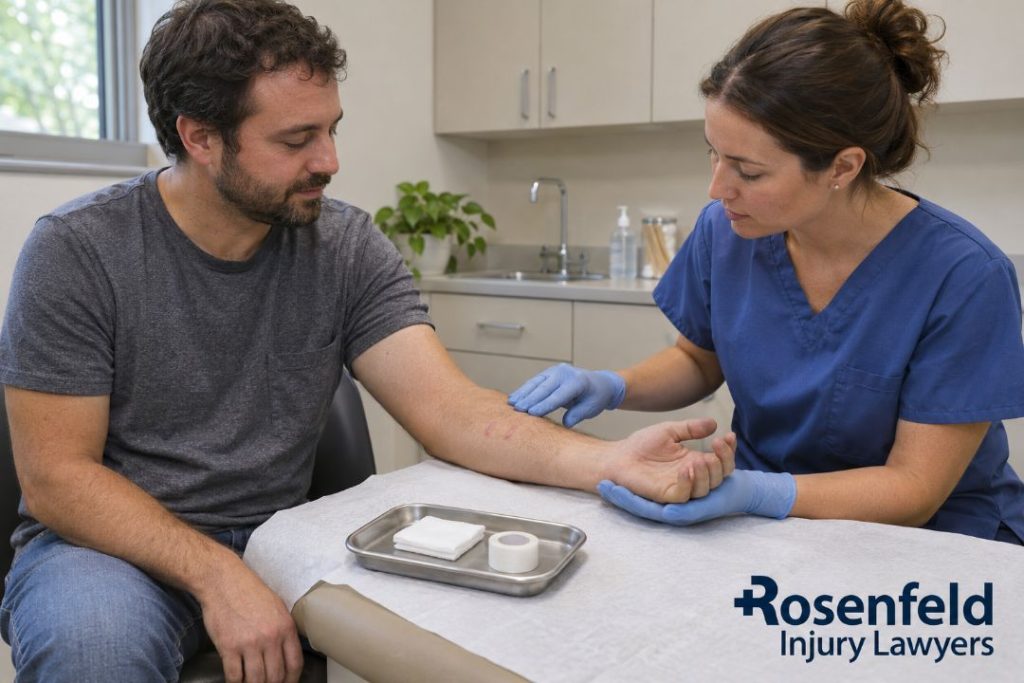
A dog bite can take anywhere from a few days to several months to heal, depending on the depth of the wound, the area affected, and whether there is damage to underlying tissue. Minor scratches may heal within 7–10 days, while deeper wounds can take several weeks. Injuries involving nerves, tendons, or bones may require months of treatment and rehabilitation.
Even after the skin closes, pain, sensitivity, swelling, and scarring may continue. Understanding the typical dog bite healing time can help you know what to expect during recovery and recognize when something may not be healing properly.
How Long Does a Dog Bite Take to Heal?
Dog bite recovery depends on the severity of the injury. A superficial wound usually heals faster than a puncture or a deep bite that requires stitches.
| Type of injury | Estimated healing time |
| Minor scratch or superficial bite | 7–10 days |
| Puncture wound | 10–14 days or longer |
| Deep laceration requiring stitches | 2–4 weeks |
| Nerve, tendon, or bone damage | Several weeks to months |
| Scar maturation | 12–18 months or longer |
These timelines are estimates, not guarantees. A wound may take longer to heal if it becomes infected, is located near a joint, or requires surgery. The skin may also close before the underlying tissue has fully recovered.
Dog Bite Healing Stages
Understanding the dog bite healing stages can help you recognize how your body repairs the injury. Wound healing generally progresses through three overlapping phases.
1. Inflammatory Stage
The inflammatory stage begins immediately after the injury and generally lasts several days. Your body works to stop bleeding, remove damaged tissue, and protect the wound from infection.
During this stage, you may notice redness, swelling, warmth, and tenderness around the bite. Mild symptoms may be expected, but worsening pain or spreading redness should not be ignored.
2. Proliferation Stage
During this stage, your body begins rebuilding damaged tissue. New tissue forms, the wound gradually fills in, and the skin starts closing over the injured area.
You may notice new skin forming or the wound becoming smaller. Deeper wounds may take longer to progress through this stage because more tissue needs to be repaired.
3. Remodeling Stage
The remodeling stage begins after the wound has closed and can continue for months. Your body strengthens and reorganizes the tissue while the scar gradually changes in appearance.
The scar may initially look red, pink, raised, or firm. Over time, it may become softer, flatter, and less noticeable, although some scars remain visible permanently.
Dog Bite Healing Time by Type of Injury
Dog bite healing time depends on the wound’s depth and the extent of tissue damage. Minor bites may heal within days, while deeper injuries can take several weeks or longer.
Minor scratches and superficial bites
Minor scratches and bites affecting the upper layers of skin may heal within 7–10 days. Mild redness, swelling, and tenderness are common initially but should gradually improve as new skin forms. Keeping the wound clean and protected can support healing.
Puncture wounds
Puncture wounds may take 10–14 days or longer to heal. Although the opening may appear small, a dog’s teeth can damage deeper tissue. Healing may take longer if the wound is deep or infected, and some punctures are left open to heal.
Learn more about dog bite puncture wounds.
Deep bites requiring stitches
Deep lacerations may require stitches to bring the wound edges together. Depending on their depth and location, they may take two to four weeks to close. Tenderness may persist after stitch removal, and the scar can continue changing for months.
Bites involving nerve, tendon, or bone damage
Severe bites may damage nerves, tendons, muscles, joints, or bones, affecting movement or sensation. Recovery can take weeks to months, depending on the damage. Treatment may involve surgery, physical therapy, or rehabilitation to restore function.
What Can Slow Down Dog Bite Healing?
Several factors can affect your dog bite healing time, even when you receive medical treatment.
- Infection: Bacteria can interfere with tissue repair and make the wound worse.
- Wound depth: Deeper injuries take longer because more tissue needs to heal.
- Location: Bites near joints or on the hands may complicate recovery.
- Underlying conditions: Diabetes and poor circulation can affect wound healing.
- Smoking: Smoking can interfere with oxygen delivery and tissue repair.
- Delayed treatment: Waiting to get medical attention can increase the risk of complications.
- Repeated irritation: Friction, pressure, or excessive movement may disrupt healing.
Your age, general health, medications, and the type of treatment you receive can also affect how quickly your body repairs the injury.
Signs Your Dog Bite Isn’t Healing Properly
A dog bite should gradually improve. If symptoms worsen, you may need medical attention.
Watch for:
- Spreading redness
- Increasing pain or swelling
- Pus or unusual drainage
- Foul smell
- Fever or chills
- Red streaks around the wound
- Difficulty moving the affected area
These may indicate an infection or other complication. Dog bite infections can progress quickly, so seek medical care if these symptoms develop.
Read about serious infections from dog bites and antibiotics for a dog bite to understand treatment options. Your doctor may also recommend a tetanus shot after a dog bite depending on your vaccination history.
How to Care for a Dog Bite While It Heals
Proper wound care can help reduce the risk of infection and support recovery. Follow your healthcare provider’s instructions, especially if the bite is deep or required stitches.
- Keep the wound clean: Clean it as directed by your healthcare provider.
- Change dressings as instructed: Use clean bandages and replace them when advised.
- Avoid unnecessary pressure: Protect the wound from friction and repeated irritation.
- Follow your treatment plan: Take prescribed medication and attend follow-up appointments.
- Don’t pick at scabs: Pulling at healing tissue can reopen the wound and affect scarring.
If you are looking for dog bite healing pictures, remember that wounds can look different depending on their depth, location, treatment, and stage of recovery. A photo alone cannot tell you whether a wound is healing normally or developing an infection.
When the Wound Heals but Problems Remain
A dog bite may leave lasting effects even after the skin has closed.
Scars can remain red, raised, dark, or uneven for months. Scar maturation may take 12–18 months or longer, and some scars remain permanent.
You may also experience lingering pain, numbness, weakness, reduced movement, or anxiety around dogs that affects your daily activities.
If your injury leaves a visible scar, learn more about dog bite scars and disfigurement or preventing dog bite scars during recovery.
Why Dog Bite Healing Time Matters for Your Injury Claim
Your recovery timeline can affect medical expenses, lost income, and other losses related to your injury.
If your wound is still healing, you may need additional treatment, physical therapy, scar treatment, or surgery. Settling too early could mean overlooking future expenses or complications.
Keep records of medical bills, prescriptions, follow-up visits, injury photographs, and lost wages to document how the bite affected you.
If you’re dealing with an insurance company, understanding your recovery can help you make informed decisions. Read our guide on how to negotiate a dog bite settlement.
Frequently Asked Questions
Minor dog bites may stop hurting within a few days, while deeper wounds can remain painful for several weeks. Bruising, swelling, and tissue damage can prolong discomfort. Pain should gradually improve as the wound heals. If it becomes worse or doesn’t improve, get it checked by a doctor.
Dog bite scars can take 12–18 months to mature, gradually becoming flatter, softer, and lighter. The final appearance depends on the wound’s depth, location, and how the skin heals. Deep bites, tissue loss, or injuries requiring surgery may leave permanent, noticeable scars.
Some swelling is normal during the first few days after a dog bite. It should gradually decrease as the wound heals. However, swelling that worsens or occurs with increasing redness, warmth, pain, or drainage may indicate an infection and requires medical attention.
It’s generally worth understanding the full extent of your injuries before accepting a settlement. Some complications, scarring, or medical expenses may only become apparent as you recover. Settling too early could leave you paying for future treatment yourself, so consider speaking with a lawyer first.
Summing Up
Dog bite healing time depends on the severity of the injury, the treatment required, and your body’s ability to repair damaged tissue. Minor wounds may heal within days, while deeper bites, infections, and injuries involving nerves or tendons can take weeks or months.
Pay attention to how your wound changes during recovery. If symptoms worsen or healing seems to stall, seek medical advice instead of assuming the injury will resolve on its own.
Get Help With Your Dog Bite Injury
If someone else’s dog injured you, you may be entitled to compensation for medical bills, lost wages, pain, and other damages.
Chicago Dog Bite Injury Lawyers can help you understand your legal options and pursue compensation for your losses. Contact us for a free consultation. You pay no attorney fees unless we win.
This article is general information, not legal advice.
 Legally Reviewed By
Attorney Jonathan Rosenfeld
Content legally reviewed by Jonathan Rosenfeld The information on this page has been legally reviewed by Attorney Jonathan Rosenfeld, founder and managing partner of Rosenfeld Injury Lawyers LLC. With extensive experience representing dog bite victims across Chicago, Mr. Rosenfeld is dedicated to helping injury victims hold negligent dog owners accountable and pursue the maximum compensation available under the law. His deep legal knowledge and commitment to client advocacy ensure that the information provided is accurate, reliable, and aligned with current legal standards.