- Free Case Evaluation: 312-779-6171 Tap Here To Call Us




Why Are Children More Likely to Be Bitten by Dogs?


Children can be more vulnerable to dog bites because of their size, limited ability to recognize warning signs, and unpredictable movements around dogs. A serious child dog bite can cause injuries to the face, head, neck, or other areas. In Illinois, parents may also have legal options when a dog injures a child.
Why Are Children at Such a High Risk for Dog Attacks?
Research on pediatric dog bite injuries shows that young children face particular risks. A 2021 study of 967 pediatric patients found that children ages 1 to 5 made up 53.4% of those bitten, while 61.7% of injuries involved the head or neck. The study also found that 33.4% of children were bitten by a dog living in their own home.
These findings show why parents should understand the circumstances that can contribute to dogs attacking children. If you are a parent of young children, it is essential to understand the reasons why kids are more prone to being victims of dog attacks. In this guide, we will explore contributing factors in dog bites affecting children and how you can take steps to teach children about dog attacks.
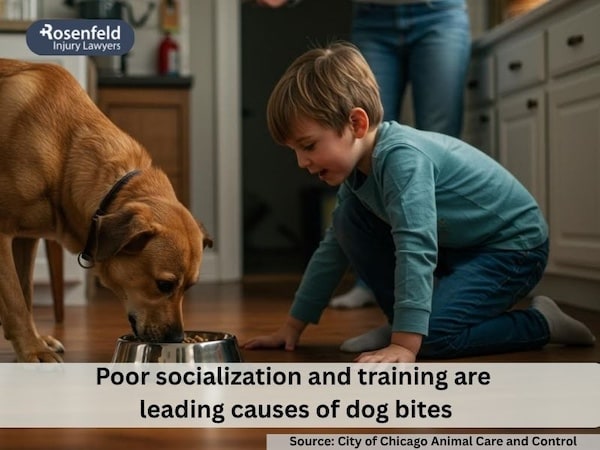
Reason 1: Their Small Stature
The average height of a child often places their head, face, and neck area at the same level as a medium or large dog’s mouth. As a result, when the dog attacks, they are more likely to bite these vulnerable spots. For adults, the difference in height typically results in bites on their extremities, such as arms or legs.
Due to a child’s smaller stature, a bite could easily cause severe injuries to the face, which often lead to disfigurement.
Reason 2: Inability to Recognize a Dog’s Warning Signs
Most adults are capable of noticing the warning signs and body language of an anxious, stressed, or fearful dog. These signs may include growling, a stiff body, a tucked tail, or baring their teeth.
On the other hand, children are far less likely to notice these red flags. The child may continue to try to play with the dog or pet them, which can trigger the dog’s behavior to turn aggressive.
Reason 3: A Child’s Actions Can Be Perceived as a Threat
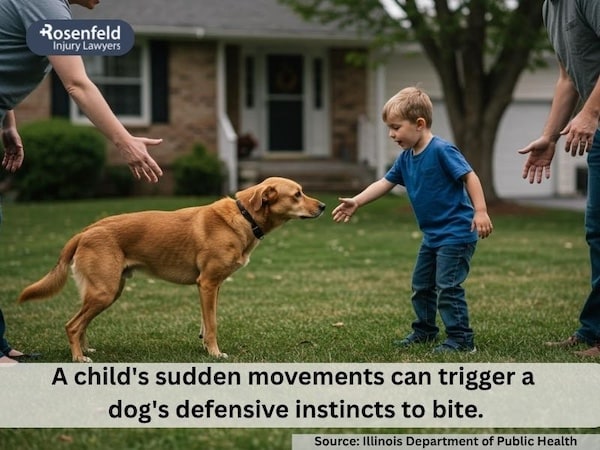
Children are naturally playful, but this can make them unpredictable to dogs. As a result, their sudden movements could be interpreted as aggressive. Children may make sudden movements, scream at a high pitch, or hug a dog too tightly (which can feel like a trap to the dog). Some children may also pull on the dog’s ears or tail while not recognizing the change in the dog’s body language.
All these actions make it difficult to keep dogs calm.
Reason 4: A Lack of Caution Around Unfamiliar Dogs
Many children love seeing dogs while they are out and about. Their first instinct may be to approach an unfamiliar dog and attempt to pet it. They assume that all dogs are friendly, just like their family dog.
However, approaching and touching a strange dog may startle the animal or invade its space, making it defensive. Many dog bites are caused by typically non-aggressive dogs simply becoming uncomfortable around an unpredictable child. This is why reading a dog’s body language can become an important skill in preventing severe bites.
Reason 5: They Cannot Physically Defend Themselves
Children lack the size and strength to defend themselves from a dog attack. Once the aggressive behavior starts, the child may not be able to fend off the dog and protect themselves.
This can lead to more numerous injuries, whereas an adult would typically have the strength to fight off or subdue the dog.
Reason 6: Kids Are Usually Bitten by Dogs They Know
Children are not only at risk around unfamiliar dogs. Family pets, relatives’ dogs, and dogs belonging to friends can also cause injuries. Familiarity may make children less cautious because they may assume a dog they have seen before will always behave in the same way.
Parents should still supervise interactions between children and dogs, even when the child and dog already know each other. A dog’s behavior can change because of fear, pain, food, toys, illness, or other circumstances.
Reason 7: Gaps in Adult Supervision
Even a short period without adult supervision can create an opportunity for a bite. A child may approach a dog while it is eating, sleeping, protecting a toy, or trying to move away. Active supervision can help adults recognize these situations and separate the child from the dog before the interaction escalates.
Which Children Are Most at Risk?
Young children, particularly those ages 1 to 5, accounted for the largest proportion of pediatric dog bite patients in a 2021 study. Researchers reviewed 967 pediatric patients treated for dog bite injuries between 2013 and 2018. Children ages 1 to 5 represented 53.4% of those bitten.
The study also found that 61.7% of injuries involved the head or neck. A dog living in the child’s home was responsible for 33.4% of the bites, followed by dogs belonging to family members or friends. These findings show that familiarity with a dog does not necessarily eliminate the risk of a child dog bite.
Why Do Dogs Attack Children? Common Behavioral Triggers
A dog’s mindset has the biggest impact on its potential to attack a child. They constantly evaluate potential dangers and act on instinct when they become aggressive.
From the dog’s perspective, they may attack because they fear a child’s unpredictable movements, are protecting their home or yard, are possessive of food or toys, or are sensitive to touch because of a previous injury.
These circumstances can help explain why dogs may bite kids, but they do not by themselves determine whether an owner is legally responsible for a child’s injuries. You must evaluate the incident circumstances and applicable Illinois law separately.
Warning Signs Parents Should Watch For
Parents can teach children to recognize warning signs and give dogs space when they appear. Signs that a dog may be uncomfortable or stressed can include:
- Stiffening or freezing the body
- Lip licking or repeated yawning
- Showing the whites of the eyes
- Growling or baring the teeth
- Raised hackles
- Guarding food, toys, bedding, or another valued item
Children should not be encouraged to approach, pet, hug, or play with a dog displaying these behaviors.
How to Lower Your Child’s Risk
Parents can take several practical steps to reduce the risk of dog bite injuries:
- Teach children not to approach unfamiliar dogs without permission.
- Teach children not to disturb dogs while they are eating, sleeping, or caring for puppies.
- Supervise interactions between young children and dogs.
- Teach children to recognize signs that a dog wants space.
- Do not allow children to pull a dog’s ears, tail, or fur.
- Teach children what to do if an unfamiliar dog approaches them.
For additional prevention guidance, see our resource on how to protect your children from dog bites.
What to Do If a Dog Is Attacking Your Child
If a dog is actively attacking, try to stay calm and avoid pulling a child away while the dog is biting, which can worsen injuries. If possible, use a jacket, bag, or another object as a barrier. If the child gets to the ground, teaching them to curl into a ball and protect the head and neck may help reduce exposure while an adult seeks assistance.
What Parents Must Do Immediately After Attacks on Children
Your actions after a dog attacks your child can have a significant impact on their health and well-being.
After a child is bitten, parents should focus first on medical care and documenting what happened:
- Seek immediate medical attention for treatment
- Report the attack to the local animal control agency to investigate the dog’s history
- Document the attack scene, such as owner information, photos, and witness statements
- Consult top dog bite attorneys to discuss legal options
If you are considering a legal claim, preserve these records because they may help document the child’s injuries and resulting losses. Learn more about what happens when a dog bites a child.
Holding Owners Accountable Under Illinois Law
Under the Illinois Animal Control Act, 510 ILCS 5/16, a dog owner may be liable when a dog, without provocation, attacks, attempts to attack, or injures a person who is peaceably conducting themselves in a place where they may lawfully be. The statute provides for civil damages for the full amount of the injury proximately caused by the attack.
The Act also defines “owner” broadly to include a person who keeps or harbors an animal, has it in their care, acts as its custodian, or knowingly permits a dog to remain on property they occupy
Whether an owner is liable depends on the facts of the incident and the applicable law. Parents should have an Illinois attorney review the circumstances before assuming that a particular defense or exception applies.
Securing Your Child’s Future After an Attack
A civil claim after a dog attack can help you recover compensation for various legal damages, including:
- Lost wages
- Current medical expenses (emergency care, medication, reconstructive surgery)
- Future medical bills (plastic surgery, psychological counseling, therapy, rehabilitation)
- Emotional trauma (anxiety, depression, Post-Traumatic Stress Disorder, and other forms of emotional distress)
- Pain and suffering
- Loss of enjoyment of life
For a child, the potential value and scope of damages depend on the circumstances and evidence of the injury. Medical treatment, future care, scarring, emotional effects, and other losses may be relevant when evaluating a dog bite claim.
Illinois also has specific rules concerning the time to bring a personal injury action when the injured person is a minor. Under 735 ILCS 5/13-211, when the person entitled to bring an action was under 18 when the cause of action accrued, the action may generally be brought within two years after the person reaches 18, subject to the statute’s terms and any applicable exceptions.
Parents should not rely on a general deadline without having the specific circumstances reviewed by an Illinois attorney.
When Should Parents Consider a Dog Bite Claim?
A dog bite claim may warrant legal review when a child suffers significant injuries, requires continuing medical care, has facial or other permanent scarring, experiences emotional trauma, or when responsibility for the incident is disputed.
Parents should also preserve evidence when possible, including photographs, medical records, witness information, animal-control reports, and information about the dog’s owner and vaccination status. These materials can help an attorney assess whether a claim may be appropriate.
If your child was seriously injured, you can contact an Illinois dog bite attorney to discuss the circumstances and available legal options.
How Often Are Children Injured by Dog Bites?
Pediatric dog bite injuries are a documented public health concern. A 2021 study of 967 pediatric patients found that children ages 1 to 5 represented 53.4% of the patients in the study, and 61.7% of injuries affected the head or neck.
For additional information about the frequency and patterns of these injuries, see our resource on how often children are injured by dog bites.
Frequently Asked Questions
Children ages 1 to 5 represented the largest age group in a 2021 study of 967 pediatric dog bite patients. They accounted for 53.4% of the patients studied. Younger children may have greater difficulty recognizing warning signs and responding appropriately to a dog’s behavior.
Children can be bitten by dogs they already know, including family pets. In the 2021 pediatric study, 33.4% of children were bitten by a dog living in their own home. Familiarity does not eliminate the need for supervision or caution around dogs.
Seek medical attention, report the bite to the appropriate animal control agency, and document the incident. Keep photographs, medical records, witness information, and details about the dog and its owner. If the injuries are significant, an Illinois attorney can review whether a dog bite claim may be available.
The circumstances matter. Illinois law addresses provocation as part of the Animal Control Act’s liability standard, but whether a child’s conduct constitutes provocation depends on the specific facts. Because Illinois case law affects how provocation is evaluated, an Illinois attorney should review this issue rather than assuming it based on the child’s age alone.
Contact Our Illinois Child Injury Attorneys Today
You and your child may be struggling with the psychological impact and physical toll of the dog attack, wondering how you can care for your little one during this time. Even if you sought immediate, effective medical attention, the financial implications can still be heavy.
Our legal team works on a contingency fee basis, so you owe nothing unless we secure a settlement for your family. We will handle the legal logistics so you can focus on recovery.
If your child has suffered a dog bite injury in Chicago or elsewhere in Illinois, contact our team for a free consultation about the incident and your potential legal options.
 Legally Reviewed By
Attorney Jonathan Rosenfeld
Content legally reviewed by Jonathan Rosenfeld The information on this page has been legally reviewed by Attorney Jonathan Rosenfeld, founder and managing partner of Rosenfeld Injury Lawyers LLC. With extensive experience representing dog bite victims across Chicago, Mr. Rosenfeld is dedicated to helping injury victims hold negligent dog owners accountable and pursue the maximum compensation available under the law. His deep legal knowledge and commitment to client advocacy ensure that the information provided is accurate, reliable, and aligned with current legal standards.