- Free Case Evaluation: 312-779-6171 Tap Here To Call Us




How Bad Does a Dog Bite Have to Be to Sue in Illinois?


How bad does a dog bite have to be to sue? In Illinois, there is no single injury-size threshold. A claim may be possible even if the bite looks minor, provided the legal requirements are met and you suffered an injury. Wound depth, bite location, infection, scarring, medical costs, and lost income can all affect whether filing makes sense.
In Illinois, dog bites can have serious consequences for victims. In the aftermath of an attack, the thought of filing a lawsuit against the owner may seem overwhelming, especially if you are facing a complicated recovery process.
A personal injury claim may help recover financial losses caused by a dog attack, including medical expenses, lost income, and compensation for pain and suffering when legally available. Whether it is worth pursuing depends on the injuries, the available evidence, and the likely costs and benefits of the claim.
If you are unsure whether your injuries justify legal action, a consultation can help you understand your options without assuming that every bite should lead to a lawsuit.
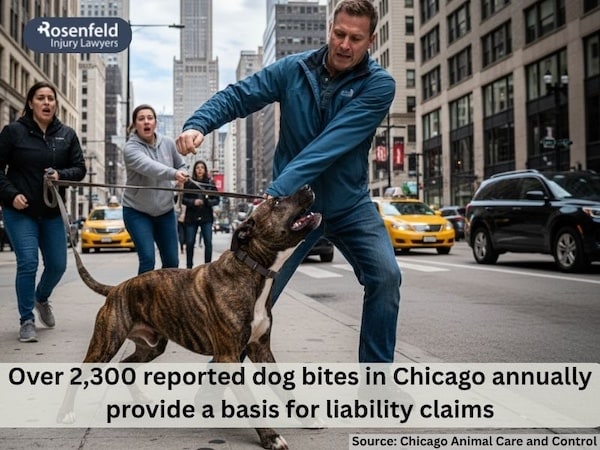
How Bad Does a Dog Bite Have to Be to Sue?
A dog bite does not have to cause catastrophic injuries to support a claim in Illinois. The type of wound, the treatment required, and the lasting effects help determine the seriousness of the injury. The table below uses the commonly referenced Dunbar Dog Bite Scale as a descriptive framework, not as a legal test for whether you can sue.
| Bite level | What it generally describes | Typical response | What it may mean for a claim |
| Level 1 | Aggressive behavior without tooth-to-skin contact | No bite wound; address any immediate safety concerns | A bite-injury claim may be difficult without an actual injury, although other facts may matter. |
| Level 2 | Tooth contact without skin puncture | Check for bruising, tenderness, or other injury | A claim may depend on whether an injury and legally recoverable damages can be established. |
| Level 3 | One to four relatively shallow punctures | Medical assessment may be appropriate, especially for bites to sensitive areas | Medical treatment, infection risk, and documented losses may support a claim. |
| Level 4 | One or more deeper punctures, potentially with bruising or tearing | Prompt medical treatment is important | Deeper wounds may involve substantial treatment, tissue damage, or lasting effects. |
| Level 5 | Multiple deep bites or repeated attacks | Urgent medical evaluation may be needed | Multiple wounds may create greater treatment needs and a stronger basis for documenting damages. |
| Level 6 | Fatal injury | Emergency response and appropriate legal support for surviving family members | A wrongful-death claim may be possible where the legal requirements are met. |
The scale describes bite severity; it does not determine legal eligibility or predict compensation. Even a lower-level bite can lead to infection or lasting problems, while a severe-looking wound does not guarantee a successful lawsuit.
Injuries That Usually Justify a Dog Bite Claim
A claim is more likely to be worth considering when the attack caused a documented injury and meaningful losses.
Wound depth
Punctures, torn skin, or wounds requiring stitches may need significant treatment. Medical records document the injury, care provided, and complications.
Bite location
Bites to the face, hands, neck, or joints can affect appearance, movement, and daily activities. Facial injuries may scar, while hand injuries can interfere with work.
Tissue and nerve damage
Damage to deeper tissue, tendons, or nerves may require surgery or rehabilitation. Document any limits on hand function, work, or income. Learn about dog bite nerve damage.
Scarring and disfigurement
Deep bites may leave lasting scars, particularly on the face. Recovery photographs can show how the injury changes over time. Learn more about dog bite scars and disfigurement.
Infection
Dog bites can cause infection. Increasing redness, swelling, pain, discharge, or fever may require prompt medical attention. Keep records of additional treatment and its impact on recovery.
What Makes a Case Worth Filing?
Pursuing legal options after a dog bite can feel daunting. However, it may be the only way to recover certain financial losses.
Here are some common reasons why injured victims consider filing a claim:
- They are forced to miss work, resulting in lost wages.
- They are struggling with psychological effects after the attack.
- They cannot afford all the medical bills associated with their medical care.
- They need ongoing rehabilitation or future treatment.
- They have children or spouses who depend on their income.
- They have lasting scarring, nerve damage, reduced mobility, or other complications.
- There is evidence identifying the dog, its keeper, and the circumstances of the attack.
If you are asking, should I sue for a dog bite, consider both the likely losses and the practical effort involved. A claim may be less worthwhile when the injury resolves quickly and there are few documented losses. More substantial medical needs, lasting symptoms, or lost income may make further investigation worthwhile. The facts and available evidence matter more than a single severity label.
A lawyer can help you assess potential damages, available insurance, and the applicable law before you decide whether to proceed.

You Do Not Have to Prove the Dog Was Dangerous
Many states have a “one-bite rule” when it comes to dog bite lawsuits. Under this approach, an owner’s knowledge of previous aggression may affect liability. Illinois generally does not require a victim to prove that the dog had bitten someone before.
The Illinois Animal Control Act (510 ILCS 5/16) generally makes an owner liable when a dog attacks, attempts to attack, or injures a person who is acting peaceably and is in a place where they have a legal right to be, without provoking the dog.
The Act’s definition of an owner can include someone who keeps, harbours, or has care of the dog, not only the person whose name appears on ownership records. See 510 ILCS 5/2.16. The facts of each incident still matter, and a claim is not guaranteed to succeed.
What If the Dog Owner Is a Friend or Neighbor?
Most dog bite claims are resolved through the owner’s renter’s or homeowner’s insurance policy. Dog attacks may fall under the liability portion of their coverage, although exclusions and policy limits can affect what is available.
In either case, filing a lawsuit against a friend or neighbor can be challenging. In many cases, the claim is handled through an insurance policy rather than paid directly from the person’s savings. However, coverage is not guaranteed, and the policy terms and circumstances of the incident need to be checked.
It is understandable to worry about damaging a relationship or making someone you know feel personally attacked. Seeking information about your legal options does not mean you have already decided to sue. You can first establish what happened, document your injuries, and find out whether insurance may apply.
If coverage is limited or excluded, the situation may be more complicated. Ask the lawyer to explain the available options and any financial risks before deciding how to proceed.
What Filing Actually Costs You
The cost of pursuing a dog bite claim depends on the firm’s fee agreement and the circumstances of the case. Rosenfeld Injury Lawyers LLC states that it works on a contingency fee basis, meaning you pay nothing unless the firm is successful in recovering compensation on your behalf.
Before signing an agreement, ask how the contingency fee is calculated and how case expenses are handled. Confirm whether expenses such as medical-record charges, expert fees, or court costs may be owed if there is no recovery. Do not assume every expense is handled the same way in every agreement.
The practical question is whether the likely recovery, the time involved, and the risks justify pursuing the claim. A lawyer can review the available evidence and explain the fee arrangement before you decide.
Want to understand your options? Contact our Chicago dog bite lawyers to ask about a free consultation and the firm’s fee agreement.
What If I Was Blamed for the Dog Attack?
Illinois law identifies circumstances that may defeat a claim, including provocation and whether the injured person was lawfully present. How fault rules apply to a particular Animal Control Act claim requires attorney review; do not assume that ordinary comparative-negligence rules automatically apply or are automatically excluded.
Attorney review required: Confirm whether comparative fault applies to Animal Control Act claims before finalizing this section. Coordinate the ruling with the comparative negligence in dog bite cases page so the site gives consistent advice.
If the owner blames you for the attack, preserve evidence of where you were, what happened immediately before the bite, and whether any witnesses saw the incident. The legal outcome will depend on the facts and applicable Illinois law.
Evidence That Strengthens a Borderline Case
Dog bite cases depend on documentation. Although Illinois law may impose liability when its requirements are met, you still need evidence of the incident, the injury, and your legal damages.
Use this checklist to organize the information available to you:
- Injury photographs: Take clear photos during recovery, where appropriate.
- Medical records: Keep diagnoses, treatment instructions, prescriptions, and follow-up records.
- Expenses: Save medical bills, receipts, and rehabilitation costs.
- Lost income: Keep pay records and documentation of time missed from work.
- Witness information: Record names and contact details for people who saw the attack.
- Dog and owner details: Note the dog’s identity and the contact information of its owner or keeper.
- Animal Control reports: Keep any available reports or correspondence.
- Prior incidents: Preserve reliable information about earlier aggression, if relevant.
- Video or other records: Identify any surveillance footage or other evidence that may document the incident.
Do not put yourself at risk to collect evidence. If you are unsure what matters, a lawyer can help identify useful records and explain how to preserve them.
FAQs
It may be worth pursuing a claim if you have medical expenses, lost income, scarring, nerve damage, or other meaningful losses. The decision depends on the injury, available insurance, and whether the legal requirements are met.
On the Dunbar Dog Bite Scale, Level 4 describes deeper puncture wounds that may involve bruising or tearing. Medical assessment is important, but the level alone does not determine whether you can sue or what a claim may be worth.
There is no standard payout. Compensation depends on medical costs, lost income, pain and suffering where recoverable, and lasting injuries. Read our guide to how much a dog bite case is worth.
A settlement depends on your losses, medical prognosis, lost income, and evidence. Consider future treatment and lasting effects before accepting an offer, and discuss the terms with a lawyer.
Possibly. It depends on whether you suffered a legally recognised injury and meet Illinois law’s requirements. Without a puncture wound, medical documentation and evidence of injury or loss may be especially important.
Schedule a Free Consultation to Learn if a Lawsuit Is Right for You
Our experienced Chicago dog attack attorneys offer a compassionate approach to the claims process. We can review your injuries, evidence, potential losses, and available legal options so you can make an informed decision about whether to pursue a claim.
At our law offices, we work on a contingency fee basis. This means you pay nothing unless we are successful in recovering compensation on your behalf. Ask our team to explain the fee agreement and how case expenses are handled before you decide to proceed.
If you or a loved one has been bitten by a dog, contact our law offices to schedule a free consultation.
This article is for general information and is not legal advice.