- Free Case Evaluation: 312-779-6171 Tap Here To Call Us




Dog Park Etiquette: Safety Rules That Prevent Dog Bites


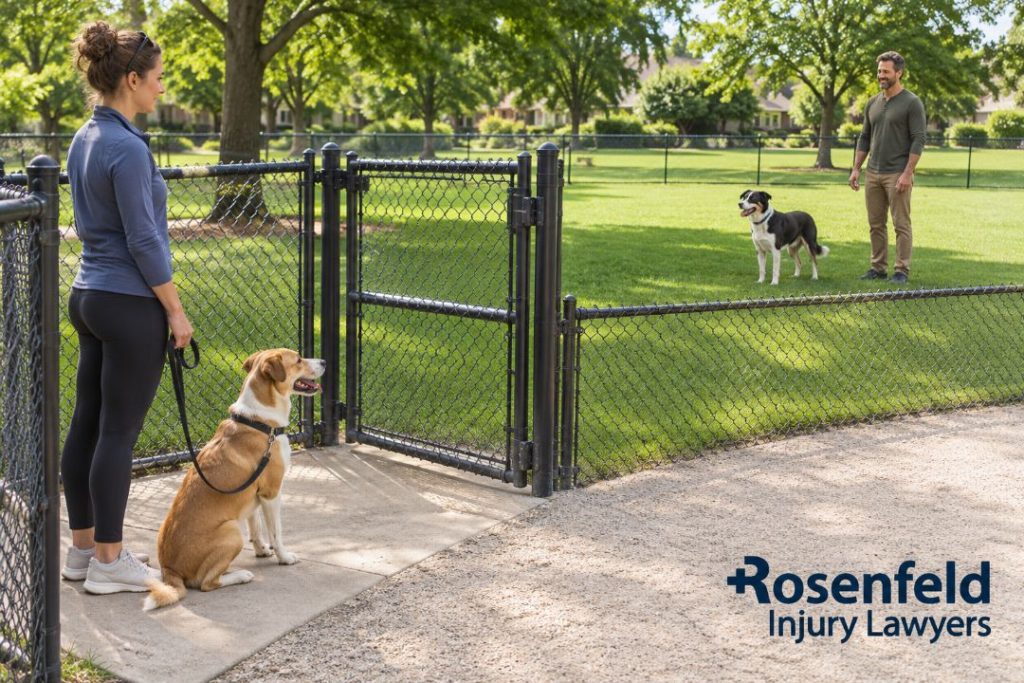
A dog park can be a great place for your dog to burn off energy, explore, and socialize. But putting several unfamiliar dogs in one space doesn’t guarantee they will get along. A friendly dog may become territorial, an energetic dog may overwhelm a smaller one, and a seemingly playful interaction can turn into a fight.
Good dog park etiquette is about more than following posted rules. It means understanding your dog’s behavior, paying attention to other animals, and knowing when to intervene. A little awareness can prevent injuries and make the park a more enjoyable place for everyone.
5 Essential Dog Park Rules to Remember
Before heading to the park, keep these five basic rules in mind:
- Bring only healthy, vaccinated dogs that are comfortable around other animals.
- Keep your attention on your dog instead of your phone.
- Never force dogs to interact or play.
- Watch for signs of fear, stress, or escalating aggression.
- Leave if your dog or another dog is no longer comfortable.
These simple habits can prevent many common problems during off-leash play.
Before You Visit a Dog Park
A little preparation can make a dog park visit safer and more enjoyable. Before heading out, check your dog’s health, understand the park’s requirements, and consider whether your dog is comfortable around unfamiliar animals.
Check Your Dog’s Health
Make sure your dog’s vaccinations are up to date and consult your veterinarian about any additional precautions. Avoid visiting if your dog is sick, injured, or showing signs of a contagious condition.
Know Chicago Dog Park Requirements
Chicago dog-friendly areas have specific rules for off-leash access, including applicable registration and permit requirements. Check the Chicago Park District’s current guidelines and follow the rules posted at your chosen park.
Consider Whether Your Dog Is Ready
Not every dog enjoys an off-leash environment. If your dog is fearful, guards toys or food, or has a history of fighting, start with controlled introductions in a quieter setting instead.
15 Dog Park Etiquette Rules Every Owner Should Follow
Following basic dog park rules helps prevent conflicts, keeps the space clean, and makes visits safer for everyone.
1. Keep Your Dog Within Sight
Keep track of your dog throughout the visit. Staying nearby helps you notice uncomfortable interactions before they escalate.
2. Put Your Phone Away
Stay attentive while your dog plays so you can spot rough play or signs that another dog needs space.
3. Never Force an Interaction
Let your dog choose whether to play. If it moves away, hides, or avoids another dog, respect its boundaries.
4. Ask Before Allowing Your Dog to Approach
Your dog may be friendly, but another dog may be nervous or uninterested. Check with the owner before encouraging an interaction.
5. Avoid Crowding the Entrance
Move away from the gate after entering. Crowded entrances can excite dogs and increase the risk of escapes.
6. Avoid Bringing Food
Food can trigger competition or guarding behavior. Avoid feeding your dog in crowded play areas.
7. Be Careful With Toys
Some dogs become possessive around toys. Leave them at home if they trigger competition or aggressive behavior.
8. Interrupt Repeated Mounting
Mounting may happen during play or excitement, but repeated behavior can make another dog uncomfortable. Redirect your dog when necessary.
9. Don’t Let Your Dog Bully Others
Stop repeated chasing, cornering, or pinning, especially when another dog is trying to get away.
10. Know When Play Gets Too Rough
If one dog keeps trying to escape, hides, or is relentlessly chased, interrupt the interaction before it escalates.
11. Give Your Dog Breaks
Dogs can become overstimulated after prolonged play. Give them time to settle, and leave if they cannot calm down.
12. Be Mindful of Size Differences
Differences in size and play style can lead to accidental injuries. Supervise interactions and use designated areas when available.
13. Clean Up After Your Dog
Carry waste bags, pick up after your dog, and dispose of waste properly to keep the park clean and reduce health risks.
14. Respect Other Owners
Respect requests for space and avoid petting unfamiliar dogs without permission. Not every dog wants to socialize.
15. Leave When Your Dog Is Uncomfortable
If your dog seems anxious, exhausted, or overstimulated, end the visit. Leaving early is better than risking a confrontation.
Warning Signs to Watch for at the Dog Park
Dogs may show signs of discomfort before an interaction escalates. Watch for stiff body posture, intense staring, growling, snapping, tucked tails, or repeated attempts to move away. Relentless chasing when another dog is trying to escape is also a sign that play needs to stop.
If you notice these behaviors, interrupt the interaction and give the dogs space. Understanding signs of aggressive behavior in dogs can help you recognize when an interaction may become unsafe.
Which Dogs Should Avoid Dog Parks?
Dog parks may not be suitable for dogs that are fearful of unfamiliar animals, have a history of biting or fighting, guard food or toys, or become difficult to control when excited. Sick, injured, or inadequately vaccinated dogs should also stay away.
If your dog struggles with social interactions, start with quieter, controlled introductions. Learn how to introduce dogs safely on a leash before exposing it to an off-leash environment.
How to Safely Break Up a Dog Fight
If dogs begin fighting, avoid reaching between them or grabbing near their mouths, as you could get bitten. Instead, use a sturdy barrier to separate them if possible, and ask another adult for help. Once separated, move them away from each other and check for injuries. Seek veterinary care if either dog may have been bitten.
Do not bring the dogs back together immediately, even if they appear calm. If your dog is attacked, follow the steps for what to do when your dog is attacked by another dog.
Dog Park Rules for Children
Children should always be supervised closely at dog parks. Even familiar dogs may react unpredictably when frightened, overwhelmed, or involved in a conflict.
Teach children to:
- Never approach unfamiliar dogs without permission.
- Avoid chasing, hugging, or pulling a dog’s tail or ears.
- Leave dogs alone when they are eating or resting.
- Never attempt to separate fighting dogs.
Children should not be responsible for managing dogs in an off-leash environment. Adults must remain attentive and supervise both children and animals.
Parents can also learn how to protect children from dog bites before visiting dog-friendly spaces.
What to Do If a Dog Bites You or Your Dog at the Park
If a bite occurs, move away from the dog once it is safe and seek medical or veterinary attention. Dog bites can cause puncture wounds and infections even when the injury appears minor.
If you are injured:
- Wash the wound with soap and running water.
- Seek medical care.
- Collect the owner’s contact information and the dog’s vaccination details.
- Photograph your injuries and the location.
- Get contact information from witnesses.
- Report the incident to the appropriate authorities when necessary.
If another dog injures your pet, have your dog examined by a veterinarian.
Depending on the circumstances, you may have legal options under Illinois law. Learn more about suing for a dog bite in an Illinois dog park or visit our page on dog park and animal attacks.
Frequently Asked Questions
Keep your dog supervised, pick up its waste, avoid bringing food that may trigger competition, and prevent unwanted interactions. Respect other dogs’ boundaries, follow posted rules, and leave if your dog becomes uncomfortable or overstimulated.
Chicago has requirements for dogs using designated dog-friendly areas, including applicable registration and permit rules. Check the Chicago Park District’s official guidelines before visiting to confirm current permit, tag, and access requirements.
Treats and toys can trigger competition or possessive behavior between unfamiliar dogs. Unless you know the park environment is suitable, avoid bringing items that may cause dogs to guard resources or become overly focused on each other.
Responsibility depends on the circumstances, the conduct of the people involved, and applicable Illinois law. An incident occurring at an off-leash park does not automatically eliminate an injured person’s legal options.
A safe dog park visit depends on more than whether your dog is friendly. Paying attention, respecting boundaries, and knowing when to step in can prevent unnecessary injuries and make the experience better for dogs and their owners.
A Safer Dog Park Visit Starts With You
A safe dog park visit depends on more than whether your dog is friendly. Paying attention to their behavior, respecting other dogs’ boundaries, and knowing when to step in can prevent unnecessary injuries and make the experience better for everyone.
If you or your dog has been injured in a dog park attack, you may have legal options. Contact Chicago Dog Bite Injury Lawyers to discuss your situation and understand what steps you can take next.
This article is for general informational purposes only and is not legal advice.
 Legally Reviewed By
Attorney Jonathan Rosenfeld
Content legally reviewed by Jonathan Rosenfeld The information on this page has been legally reviewed by Attorney Jonathan Rosenfeld, founder and managing partner of Rosenfeld Injury Lawyers LLC. With extensive experience representing dog bite victims across Chicago, Mr. Rosenfeld is dedicated to helping injury victims hold negligent dog owners accountable and pursue the maximum compensation available under the law. His deep legal knowledge and commitment to client advocacy ensure that the information provided is accurate, reliable, and aligned with current legal standards.