- Free Case Evaluation: 312-779-6171 Tap Here To Call Us




CRPS After a Dog Bite: Symptoms, Diagnosis, and Compensation


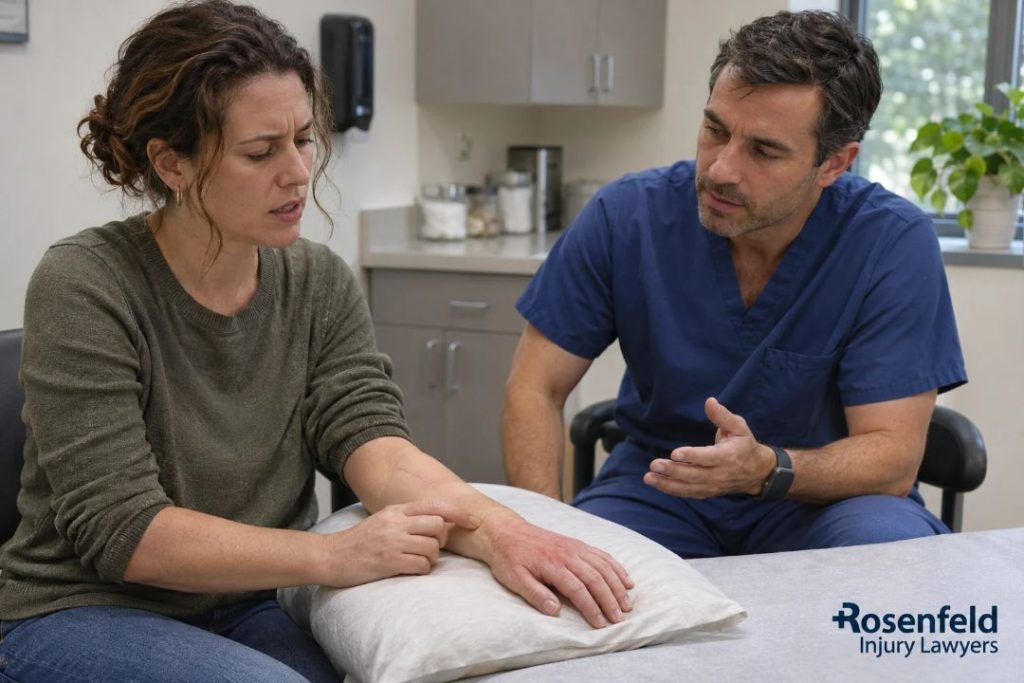
A dog bite can cause more than a wound. In some cases, the trauma may trigger complex regional pain syndrome (CRPS), a chronic pain condition that can cause persistent burning pain, swelling, sensitivity, and difficulty moving the affected limb. Symptoms may continue even after the bite wound heals.
CRPS after a dog bite can affect your ability to work, use your hands, sleep, and manage everyday activities. Early diagnosis and treatment are important for managing symptoms and improving function. When the condition results in ongoing medical care, lasting limitations, or lost income, those consequences may also affect the value of an injury claim.
What Is Complex Regional Pain Syndrome?
Complex regional pain syndrome is a chronic pain condition that usually affects one limb following an injury, surgery, or other trauma. The pain may be more severe or last longer than expected for the original injury.
CRPS can cause:
- Burning or persistent pain
- Increased sensitivity to touch
- Swelling in the affected limb
- Changes in skin color or temperature
- Unusual sweating
- Stiffness or reduced mobility
- Changes in hair, skin, or nail growth
Symptoms most commonly affect the arms, hands, legs, or feet. They may fluctuate over time and sometimes extend beyond the original injury site.
CRPS is classified into two types depending on whether a distinct nerve injury has been identified.
Dog bites can damage nerves, muscles, blood vessels, and surrounding tissues. Depending on the injury and symptoms, doctors may evaluate whether CRPS is present and whether a specific nerve injury can be identified.
CRPS is not simply prolonged soreness. It involves persistent pain and a combination of sensory, movement-related, or other physical changes that require medical evaluation.
Why Dog Bites Can Trigger CRPS
A dog bite can cause puncture wounds, crushing injuries, and damage to nerves or surrounding tissues. Even a small wound may affect structures beneath the skin.
Nerve Trauma
A bite can puncture or compress nerves, causing burning pain, tingling, numbness, sensitivity, or weakness. Persistent symptoms may require evaluation for dog bite nerve damage and other complications.
Crush Injuries and Tissue Damage
Dog bites can damage muscles, blood vessels, nerves, and surrounding tissues. Hand and finger injuries are particularly concerning because of the complex structures in these areas. Dog bite hand injuries may affect movement, sensation, and everyday function.
Surgery or Prolonged Immobilization
Severe bites may require surgical repair, reconstruction, or immobilization during recovery. Changes in movement during healing may contribute to complications that require further evaluation.
Not everyone who experiences a dog bite, nerve injury, or surgery develops CRPS.
Early Warning Signs of CRPS After a Dog Bite
CRPS symptoms may develop gradually or become noticeable during recovery. Common warning signs include:
- Burning pain: Pain that is unusually intense or persists beyond expected healing.
- Sensitivity to touch: Pain from light contact, clothing, or movement.
- Swelling: Persistent or recurring swelling in the injured limb.
- Skin changes: Redness, discoloration, or unusual temperature changes.
- Changes in sweating: Unusual or excessive sweating in the affected area.
- Stiffness: Difficulty moving fingers, joints, or the injured limb.
- Hair or nail changes: Changes in growth, texture, or appearance.
Symptoms may fluctuate, and pain can extend beyond the original bite area. If you experience persistent pain, swelling, unusual sensitivity, or difficulty moving, seek medical evaluation. These symptoms may indicate complications beyond the initial wound, as dog attack injuries can affect multiple tissues and structures, requiring further assessment.
How CRPS Is Diagnosed
CRPS is primarily diagnosed through a medical evaluation. There is no single test that confirms the condition. Doctors review your injury history, symptoms, and physical findings while ruling out other conditions that may cause similar problems.
Doctors commonly use the Budapest criteria to assess whether a patient has CRPS. These criteria examine four categories of symptoms and physical signs:
A CRPS diagnosis generally requires ongoing pain that is disproportionate to the original injury, symptoms in at least three categories, observable signs in at least two categories during examination, and no other diagnosis that better explains the symptoms.
Doctors may recommend additional tests to investigate other possible causes of your symptoms, including:
- Nerve conduction studies or EMG: Evaluate nerve function and identify possible nerve damage.
- MRI: Examine soft tissues and detect structural injuries.
- X-rays: Check for bone injuries or abnormalities.
- Blood tests: Look for signs of infection, inflammation, or other conditions.
These tests do not directly confirm CRPS but help rule out conditions that may cause similar symptoms.
If you experience numbness, weakness, burning pain, or difficulty moving your fingers, your doctor may recommend nerve damage tests after a dog bite to investigate possible nerve involvement.
Treatment and Long-Term Outlook
CRPS treatment focuses on managing pain, restoring movement, and helping you regain function. Treatment plans depend on your symptoms, severity, and response to different approaches.
Physical and occupational therapy may help improve mobility, flexibility, strength, and the ability to perform everyday tasks. Treatment may include gradual movement, desensitization exercises, and activities designed to reduce stiffness and improve function.
Doctors may prescribe medications to help manage nerve-related pain and other symptoms. Pain management specialists may also consider treatments such as nerve blocks, depending on your condition and response to medication.
For severe symptoms that do not respond adequately to other treatments, doctors may consider options such as spinal cord stimulation. These treatments are not appropriate for everyone and require specialist evaluation.
Early diagnosis and treatment may help improve function and prevent prolonged limitations. However, CRPS outcomes vary. Some people improve over time, while others experience persistent symptoms requiring long-term care.
How CRPS Affects a Dog Bite Claim
CRPS can turn an injury that initially seemed temporary into a condition requiring ongoing treatment, rehabilitation, or pain management. Medical expenses, lasting limitations, and financial losses may affect how a claim is evaluated.
Future Medical Expenses
CRPS may require continued care after the bite wound heals, including specialist visits, medication, physical therapy, nerve blocks, or other procedures.
Documented medical expenses and anticipated treatment costs may be included in a claim when supported by medical records, recommendations, and cost estimates.
Life Care Planning
A life care plan may help estimate future medical and rehabilitation needs associated with long-term CRPS, including:
- Specialist visits and medical care
- Physical or occupational therapy
- Medication and pain management
- Additional procedures or assistive devices
- Long-term care, if needed
These projected costs must reflect the individual’s condition and anticipated needs.
Lost Income and Reduced Earning Capacity
CRPS may make it difficult to return to your previous job, especially if it involves lifting, standing, repetitive movements, or using the affected limb.
You may experience:
- Missed work during recovery
- Reduced working hours
- Difficulty performing your usual duties
- Needing to change roles or responsibilities
- Reduced future earning capacity
These losses may be considered when supported by employment records, medical restrictions, and other evidence.
Pain, Suffering, and Daily Limitations
Persistent CRPS pain may interfere with sleep, personal care, household responsibilities, hobbies, and relationships. These effects may also factor into pain and suffering in dog bite cases, which can account for the physical discomfort and disruption an injury causes to daily life.
Keeping records of symptoms, treatment, and daily limitations can help document the impact of CRPS.
How Medical Records Support Your Claim
Insurers may question the severity of CRPS, its cause, or whether symptoms are related to a pre-existing condition. Consistent medical documentation can help establish how the injury developed and affected your life.
Records may include:
- Initial bite evaluations and wound treatment
- CRPS diagnosis and specialist assessments
- Test results and medical opinions
- Medication and treatment history
- Physical therapy progress and restrictions
- Changes in mobility and daily functioning
- Missed work and financial losses
Together, these records can help demonstrate the connection between the bite, your condition, and the losses you’re claiming.
What Can Affect a CRPS Dog Bite Settlement?
There is no fixed CRPS settlement amount. Each claim depends on the injury, available evidence, financial losses, and other case-specific factors.
A claim involving documented long-term limitations and substantial future care needs may be evaluated differently from an injury that resolves with shorter-term treatment. Factors that may affect compensation include:
- Severity and duration of CRPS symptoms
- Past and anticipated medical expenses
- Future treatment and rehabilitation needs
- Permanent impairment or physical limitations
- Lost wages and reduced earning capacity
- Pain and suffering
- Medical evidence connecting CRPS to the dog bite
- Available insurance coverage
You can explore how these factors may affect compensation in cases involving Illinois dog bite settlements and learn more about how much a dog bite case may be worth in Illinois.
Illinois law also governs whether a dog owner may be held liable for injuries. Under Section 16 of the Illinois Animal Control Act, liability may apply when an animal injures a person who was acting peacefully and lawfully, without provocation. The specific legal requirements must be evaluated based on the facts of the case.
A Dog Bite Case Involving Serious Nerve Damage
The long-term consequences of a dog bite can be significant when the injury involves nerve damage and requires extensive treatment.
Chicago Dog Bite Injury Lawyers reports a $940,000 verdict in a Lombard dog bite case involving an eight-year-old girl who suffered nerve and ligament damage to her thumb after a dog bite. Her injuries required multiple surgeries and long-term therapy.
The case demonstrates how serious injuries, treatment needs, and lasting consequences can become important considerations in a dog bite claim. However, every case is different, and past verdicts do not guarantee a similar outcome in another case.
Conclusion: Living With CRPS After a Dog Bite
CRPS can affect your ability to work, sleep, move comfortably, and manage everyday tasks. Persistent pain, limited mobility, and ongoing treatment can make recovery challenging, even after the original wound has healed. Tracking symptoms, following your treatment plan, and documenting how the condition affects your daily life can help you manage recovery and establish the extent of your injury.
Get Legal Help for a CRPS-Related Dog Bite Injury
CRPS can lead to ongoing medical expenses, lost income, and lasting changes to your quality of life. Chicago Dog Bite Injury Lawyers can help you understand your legal options and pursue compensation for your losses. Request a free consultation. You pay no attorney fees unless we win your case.
Frequently Asked Questions
Yes. A dog bite can cause tissue or nerve trauma that may trigger CRPS. However, not everyone develops the condition. Persistent, disproportionate pain, swelling, sensitivity, or skin changes following a bite should be medically evaluated to identify the cause and determine appropriate treatment.
CRPS symptoms may develop after the initial injury or become noticeable during recovery. Timing varies from person to person. Persistent burning pain, swelling, unusual skin temperature or color changes, and increased sensitivity should be evaluated rather than dismissed as normal healing.
CRPS outcomes vary. Some people experience improvement in pain and symptoms over time, while others continue to experience lasting problems. Treatment may help manage symptoms and improve mobility, but recovery depends on individual circumstances, and complete resolution cannot be guaranteed.
There is no fixed settlement amount. Compensation may depend on the severity of CRPS, medical expenses, future treatment needs, lost income, reduced earning capacity, pain and suffering, and supporting evidence. A CRPS diagnosis alone does not determine the value of a dog bite claim.
This article is general information, not legal advice.
 Legally Reviewed By
Attorney Jonathan Rosenfeld
Content legally reviewed by Jonathan Rosenfeld The information on this page has been legally reviewed by Attorney Jonathan Rosenfeld, founder and managing partner of Rosenfeld Injury Lawyers LLC. With extensive experience representing dog bite victims across Chicago, Mr. Rosenfeld is dedicated to helping injury victims hold negligent dog owners accountable and pursue the maximum compensation available under the law. His deep legal knowledge and commitment to client advocacy ensure that the information provided is accurate, reliable, and aligned with current legal standards.