- Free Case Evaluation: 312-779-6171 Tap Here To Call Us




How to Prevent Dog Bites


Promoting Safety During National Dog Bite Prevention Week and All Year Long
Learning how to prevent dog bites starts with everyday actions: teaching children safe habits, supervising young kids around dogs, following leash laws, and keeping your dog healthy with training, socialization, and up-to-date rabies vaccination.
National Dog Bite Prevention Week reminds families, pet owners, and communities to work together to prevent dog bites and create safer neighborhoods. By understanding why dogs bite and learning practical preventive strategies, families can better protect their loved ones, and owners can ensure their dogs stay healthy, safe, and well-behaved.
If you or someone you love has been injured or bitten by a dog despite these precautions, we can help you seek justice, hold negligent dog owners accountable, and secure compensation for your recovery.
Understanding the Core Reasons Why Dogs Bite
Even the gentlest pet dogs can bite under certain circumstances. Most bites occur because the dog feels uncomfortable, threatened, or is responding instinctively to protect something valuable. Knowing the most common triggers helps families, pet owners, and communities take steps to prevent dog bites before they happen.
Here are some of the leading reasons a dog may bite:
- Fear or anxiety: Dogs may bite when they feel scared, cornered, or unsure of a situation, especially when approached by unfamiliar dogs or strangers.
- Feeling startled or threatened: Sudden movements, loud noises, or being woken abruptly can make a dog feel threatened and lead to a defensive bite.
- Pain or illness: Injured dogs or those who feel sick may lash out because being touched hurts, even if they normally have a calm temperament.
- Protecting territory or possessions: Dogs often guard their home, fenced yard, food, toys, or puppies, biting if they think someone is trying to take them away.
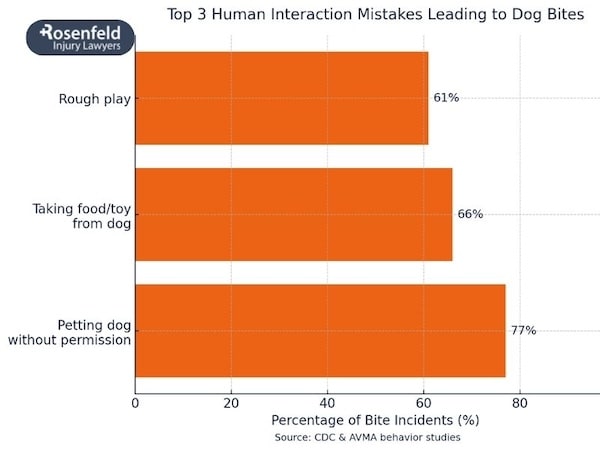
- Overstimulation or rough play: Tug of war games, pulling on a dog’s tail or ears, or too much direct eye contact can overwhelm some dogs, triggering aggression.
Essential Bite Prevention Measures for Responsible Dog Owners
Responsible owners in Illinois play a central role in dog bite prevention. By taking proactive steps, owners can protect their dogs, their families, and their communities while reducing the risk of bites occurring.
Key responsibilities include:
- Socialization: Expose your puppy or newly adopted dog to various people, children, other animals, and environments in a positive way to reduce fear of dogs and strangers.
- Training: Teach your dog basic commands, such as sit, stay, leave it, and come, and reward appropriate behavior. Seek professional help for aggression or anxiety.
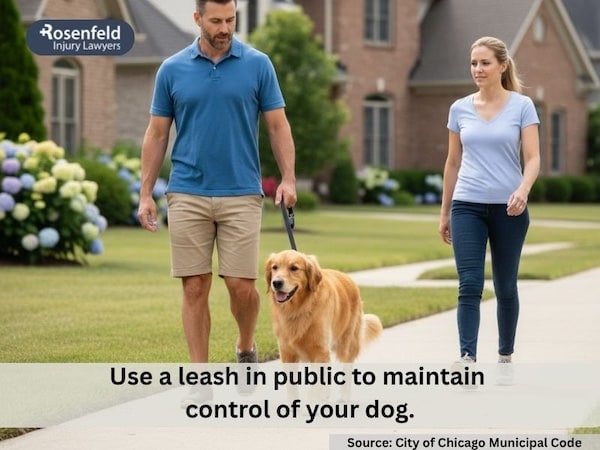
- Containment: Keep your dog securely leashed in public areas and contained in a fenced yard at home, as required by many Illinois local ordinances. This protects both your dog and the public.
- Health: Keep your dog healthy by ensuring vaccinations (especially against rabies) are up to date. Spay or neuter your dog to reduce aggression, and schedule regular veterinary care to catch injuries or illness early.
These everyday practices make dogs calmer, safer, and less likely to feel scared or threatened and lash out, which is vital for keeping families and communities safe.
Safety Rules for Children and Families
Young children are the most common victims of dog bites, and about half of all bites involve kids under 12. Families can significantly reduce the risk by teaching children clear, simple safety rules and supervising all interactions with pet dogs or strange dogs.
Use these easy-to-remember guidelines:
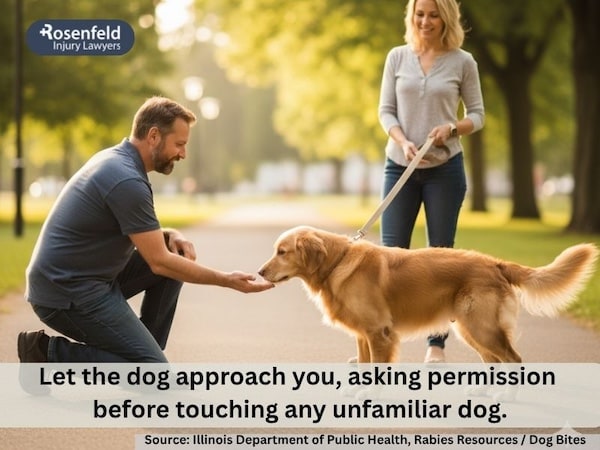
- Always ask first: Always ask the owner for permission before petting a dog, especially an unfamiliar dog. This shows respect for the dog and lets the owner warn you if the dog feels threatened.
- Offer your hand safely: Let the dog sniff your hand first, then gently pet its chest or back, not its head or tail, to avoid startling it.
- Never disturb: Never disturb a dog that is sleeping, eating, sick, injured, or with its puppies or toys, as this is when dogs are most protective.
- “Be a tree”: If a loose dog approaches, teach your child to “be a tree”—stand still, stay quiet, avert eye contact, and keep hands at their sides until the dog leaves.
- Supervise young children: Always supervise small children around their dogs or strange dogs to prevent rough play, tug of war, pulling ears or tails, or running past a dog.
Teaching and reinforcing these habits helps children feel confident around animals and dramatically lowers the risk of being harmed by dogs.
A Special Safety Note for Delivery Personnel
Postal workers, package carriers, and food delivery drivers are frequently on the front lines of dog bite incidents. Dogs often view uniforms, equipment, or a person entering their yard as a potential threat, which can trigger protective behavior.
To prevent dog bites while on the job:
- Carry dog treats or a barrier: A small treat can help distract or calm a barking dog, while a mailbag or clipboard can act as a protective barrier if needed.
- Make noise upon approach: Rattle a gate or call out before entering a yard to avoid startling an injured dog or a protective pet.
- Avoid running past a barking dog: Running can activate a dog’s chase instinct. Instead, remain calm and move slowly.
- Avoid direct eye contact: Keeping your gaze soft or averted can reduce the dog’s sense of threat.
- Report dangerous dogs immediately: Notify your employer or animal control about aggressive or loose dogs on your route.
By using these precautions, delivery people can help reduce bites and keep both themselves and the dogs they encounter safer.
The Importance of Understanding Dog Body Language
Dogs almost always signal discomfort before they bite, but many people miss or misinterpret these cues. Learning to read dog body language is a critical skill for pet owners, families, and delivery personnel alike. Recognizing these signs can help you de-escalate a situation before it becomes dangerous.
Watch for these early warning signs:
- Stiff bodyor frozen posture, indicating the dog is tense or ready to defend itself.
- Tucked tailor crouched position, showing fear or submission.
- Ears pinned back and lips pulled tight, a classic sign of discomfort or defensive aggression.
- “Whale eye” (showing the whites of the eyes) when the dog looks sideways but keeps its head still.
- Yawning, lip licking, panting, or turning the head away when not tired are signals of stress rather than relaxation.
- Growling, barking, or sudden silence (a quiet dog can be just as dangerous as a noisy one).
Understanding these cues is key to avoiding a bite from both familiar and unfamiliar dogs.
How Reading a Dog’s Body Language Is Key to Dog Bite Prevention
Recognizing and respecting a dog’s stress signals is one of the most effective ways to prevent dog bites. If you see a dog showing any of the signs above, stop approaching immediately, stay calm, and give the dog space. Never scream or run from a dog; instead, avoid eye contact, stand still, and wait for the dog to calm down or leave.
Teaching kids, families, and delivery people to understand these cues can de-escalate a dangerous situation and prevent an attack before it happens. By understanding and respecting a dog’s boundaries, you help keep both people and animals safe.
The Law on Dog Bites in Illinois
In Illinois, the Animal Control Act (510 ILCS 5/) offers powerful protections to dog bite victims. The law holds dog owners strictly accountable if their dog, without provocation, bites or injures a person who is legally on public or private property. Rather than proving the dog had a past history of aggression, victims only need to show that the bite or attack happened under these qualifying circumstances.
Key legal terms include:
- Dangerous Dog: A dog acting in a way that poses a serious, unjustified threat or bites without justification but without causing severe harm.
- Potentially Dangerous Dog: A dog found running at large with three or more other unsupervised dogs.
- Vicious Dog: A dog that, without justification, causes serious injury or death, or is deemed dangerous on three separate occasions.
- Reckless Dog Owner: Someone who allows repeated dangerous incidents involving their dog.
Chicago Municipal Code – Chapter 7-12: Animal Care and Control adds leash and restraint requirements, prohibits attacks, and gives the city authority to impound or quarantine dogs involved in biting incidents for rabies immunization checks and public safety. Owners who violate these rules can face fines, strict containment orders, or even criminal charges for repeated or severe offenses.
What to Do After a Bite in Illinois
If you or a loved one is bitten by a dog in Illinois, acting quickly can protect your health and your legal rights.
Follow this simple two-step plan:
- Seek immediate medical attention: Dog bites can cause serious infections and other complications, even if the wound looks minor. Go to an emergency room or urgent care center to have the injury cleaned, treated, and documented. This also ensures you receive prompt evaluation for rabies vaccination or other preventative care if needed.
- Report the incident to Animal Control: Contact your local Illinois Animal Control agency or health department right away. Filing an official report creates a record of the attack, triggers a rabies observation period for the dog, and supports any claim you may file later.
Taking these steps quickly helps you seek medical attention, preserves vital evidence, and supports your right to compensation under Illinois law.
Why Filing a Claim Promotes National Dog Bite Prevention
Filing a legal claim after being bitten by a dog does more than secure compensation for your injuries; it also strengthens dog bite prevention efforts across the entire country. When victims hold negligent owners accountable, courts and animal control agencies can step in to enforce leash laws, mandate training, or require stricter containment of dangerous animals.
This process helps ensure that a dangerous dog is properly managed, protecting other families, young children, delivery personnel, and other animals in the community.
By seeking compensation, victims recover damages for medical care, lost wages, and emotional distress but also contribute to a safer environment where dogs are responsibly supervised and public safety comes first.
Contact Our Illinois Dog Bite Attorneys for a Free Consultation
If you or a loved one has been injured or bitten by a dog, you should not have to face medical bills, lost wages, and emotional trauma alone.
Our experienced Chicago dog bite injury lawyers offer free, confidential consultations to help you understand your rights and legal options. We are committed to fighting for dog bite victims, holding negligent owners accountable, and ensuring that dangerous animals are properly managed to protect the public.
Our attorneys work on a contingency fee basis, meaning you pay no upfront costs and no fees unless we win compensation for you. Contact us today to schedule your free consultation and take the first step toward justice and healing. Together, we can make our communities safer and prevent dog bites from happening to others.
Content reviewed by Chicago dog bite lawyer Jonathan Rosenfeld of Rosenfeld Injury Lawyers LLC, who hold dog owners accountable to secure compensation for injured victims and their families, and is a trial lawyer recognized by Super Lawyers, the American Association of Justice, and Million Dollar Advocates for serious crash cases across Illinois.