- Free Case Evaluation: 312-779-6171 Tap Here To Call Us




Why Do Dogs Bite?


The Reasons Behind a Bite: From Fear to Protection
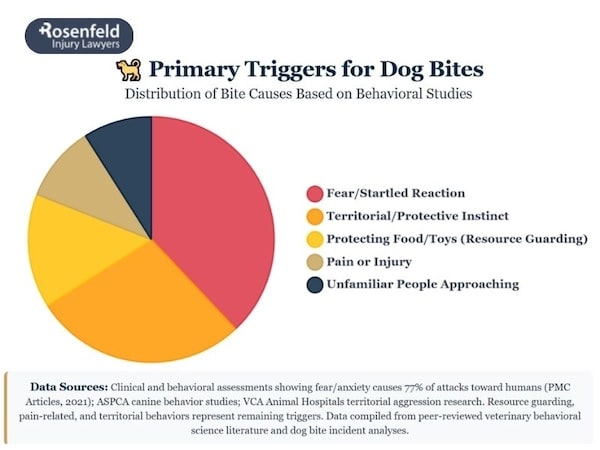
At Dog Bite Injury Lawyer, we know that even beloved and well-trained pet dogs can bite under the right circumstances. Why do dogs bite? Most bites are reactions triggered by fear, aggression, pain, or the instinct to protect food, territory, or family members.
Understanding why dogs bite helps both owners and victims: it allows you to prevent dog bites by spotting early warning signs, and it clarifies your legal rights if you’re injured. In Illinois, dog owners are strictly liable for the harm their animals cause, regardless of motive.
This article explains the most common reasons dogs may bite, how to read a dog’s body language, and how responsible owners can use proper socialization, training with a certified professional dog trainer, and other preventative measures to reduce risk.
The Most Common Reasons Why Pet Dogs May Bite
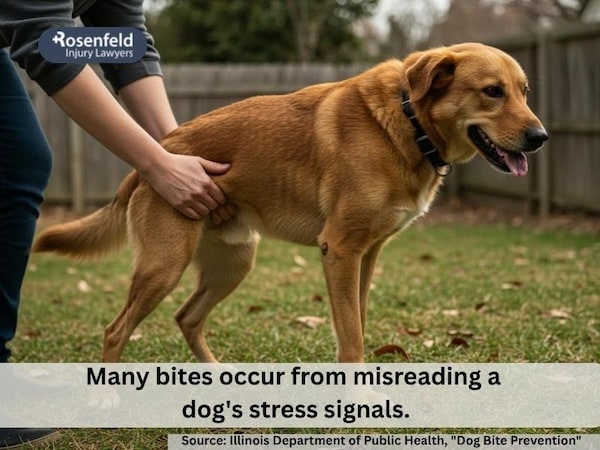
A dog bite is almost always a reaction to a specific situation rather than an unprovoked attack. Even the dog that is well-trained may resort to biting when it feels threatened, uncomfortable, or pushed beyond its limits.
Knowing these triggers helps owners take precautions and allows victims to see why an attack occurred, though under Illinois law, the dog’s motive does not excuse the owner’s liability.
Below are the most common reasons dogs may bite.
Fear, Aggression, and Anxiety
Fear aggression is one of the most common triggers behind a dog bite. When dogs feel threatened, cornered, or unable to escape, they may lash out with their teeth to defend themselves. This is especially common with rescued or poorly socialized dogs, or those who’ve had negative experiences with humans, other pets, or loud noises.
Recognizing a dog uncomfortable with its environment, such as looking away, trembling, or showing the whites of its eyes, can help prevent a bite.
Possessiveness and Resource Guarding
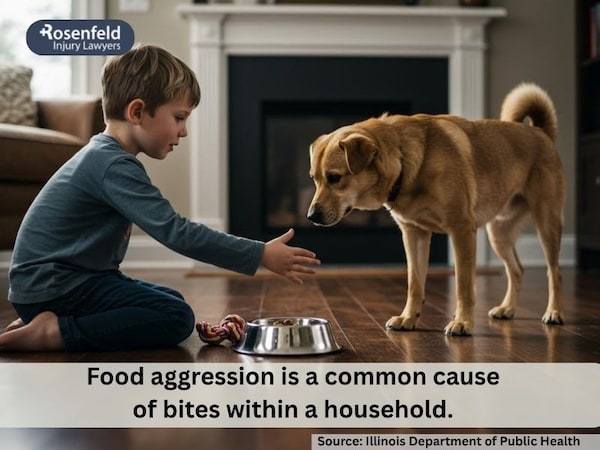
Some dogs can become aggressive when protecting their resources: food, toys, bedding, or even their favorite person. This behavior, known as resource guarding, is a natural instinct but can become dangerous if not managed. A dog might growl, snap, or bite to defend its food bowl or a toy during tug of war.
Early socialization, practice with a certified dog trainer, and respecting your dog’s boundaries are key to reducing this risk.
Pain or Illness
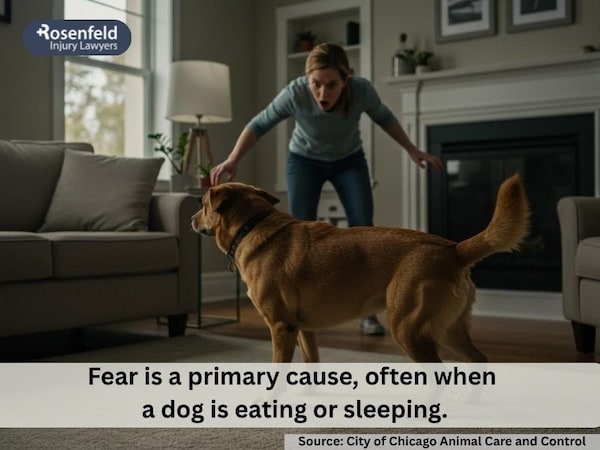
Just like humans, dogs bite when they’re in pain. Pet dogs suffering from injuries, infections, or chronic conditions may react aggressively if touched in a sensitive area. Even a normally calm pet may snap when startled during grooming, bathing, or handling.
Regular medical care, keeping dthe og’s medical records updated, and watching for signs of discomfort allows you to help your dog on time and prevent health-related aggression before it escalates.
Protective or Maternal Instincts
Dogs are pack animals, and protective or maternal instincts run deep. A dog may bite to defend its puppies, home, or family members (including children and other dogs) from what it perceives as a threat. This protective aggression is especially pronounced in certain breeds like German Shepherds or guard-type dogs.
Responsible owners can reduce risk by using socialization, positive reinforcement, and maintaining control with leashes or secure fencing.
Startle Response
Even a usually very calm dog can bite if startled. Approaching a sleeping dog, touching it unexpectedly, or surprising it from behind may trigger a reflexive bite. This startle response is not a sign of a “bad dog” but a natural defensive reaction.
As the most common victims, children should be taught to be calm and to avoid disturbing a resting or sleeping dog as one of the simplest ways to evade bites.
Redirected Aggressive Behavior
Sometimes a dog’s aggression toward one target, such as other dogs, can be redirected to a nearby person. For example, a dog engaged in a fight with another dog may bite a human who tries to intervene. This redirected aggression can happen quickly and without warning.
Using a separate room, calling local authorities, or finding safer ways to break up fights between animals can reduce this risk.
How to Read a Dog’s Body Language to Prevent Bites
Most dogs bite only after giving clear indications. Learning to recognize a dog’s subtle body language cues is one of the most effective measures for owners and family members. When a dog is uncomfortable, it signals its stress before it escalates to aggressive behavior. Understanding these signs can help you remain calm, respect your pet’s boundaries, and prevent an injury.
Key warning signs a dog may be about to bite include:
- Stiff or tense body posture – A normally relaxed pet dog suddenly becomes rigid or freezes.
- Raised fur (hackles) – The hair along the back or neck stands up, indicating arousal or stress.
- Yawning or lip licking – These are often stress signals when they occur outside of normal contexts.
- Avoiding eye contact – The dog looks away or turns its head, showing discomfort.
- Whale eye – Whites of the eyes become visible as the dog looks sideways.
- Growling or low rumbling sounds – A clear vocal warning of an impending bite response.
- Snarling or baring teeth – The dog lifts its lips to show teeth; this is a serious escalation.
- Pinned-back ears – Ears flattened against the head indicate fear or anxiety.
- Tail position – A stiff, high tail can signal agitation; a tucked tail can show fear.
- Backing away or hiding – Moving away or retreating can be a plea for space.
Recognizing these signals allows owners to step back, give the dog space, or remove potential stressors. By noticing these cues, common victims such as children can also be taught to respect animals’ boundaries, reducing the risk of biting.
Distinguishing Between Play Biting and Aggressive Biting
Not every bite from a dog is meant to harm. Understanding the difference between play biting and dangerous behavior helps owners, victims, and family members recognize when to intervene.
Play Biting (Mouthing)
Play biting, also called mouthing, is most common in puppies and well-trained dogs during social play. It’s typically gentle, with little or no pressure from the teeth. The dog’s body remains relaxed, the tail may wag loosely, and there’s often a playful demeanor: bouncing, bowing, or rolling over.
Most dogs grow out of excessive mouthing when playing with positive reinforcement training from a professional dog trainer or certified applied animal behaviorist.
Aggressive Biting
This type of biting, by contrast, is meant to cause harm or defend. It’s often accompanied by a stiff or tense body, raised hackles, a fixed stare or avoidance of eye contact, growling, snarling, or baring teeth. The bites are harder, faster, and may be repeated. This can stem from fear, aggression, resource guarding, or pain.
Recognizing these signs early allows pet parents to remove triggers, stay calm, and seek help from professionals to help their dog change its behavior.
How Responsible Pet Owners Can Prevent Bites
Reducing the risk of dog bites starts with proactive care. Owners can help their dogs feel secure and prevent aggressive behavior by:
- Early socialization – Expose puppies to people, other dogs, and environments to reduce aggression.
- Consistent training – Work with a dog trainer or applied animal behaviorist to teach good habits.
- Positive reinforcement – Reward calm behavior instead of punishing mistakes.
- Teach children – Show kids to respect a dog’s boundaries and never disturb a dog while it sleeps.
- Use leashes and secure yards – Maintain control in public and prevent unsupervised encounters.
- Provide safe spaces – Give your pet dog a quiet spot or access to another room to retreat when stressed.
- Keep up with medical care – Address painful issues or illnesses that may trigger aggression.
These preventative measures help create a well-trained dog with a lower risk of biting, so both you and your dog can avoid potentially costly incidents.
A Dog’s Reason to Bite Does Not Excuse an Owner’s Liability in Illinois
Under Illinois law, the reason behind the bite, whether fear, aggression, pain, or a protective instinct, does not limit the owner’s responsibility for the harm caused.
Illinois follows a “Strict Liability” rule (510 ILCS 5/16). This means that if a dog harms someone without provocation, the owner is financially responsible for the victim’s medical bills, lost wages, pain and suffering, and other damages, even if the dog had no prior history of aggression.
For victims, this means you don’t have to prove negligence or that the owner knew of a dog’s tendency to bite. Instead, you only need to show that you were lawfully present, did not provoke the dog, and were injured. This legal protection helps ensure that victims receive the compensation they deserve, regardless of the dog’s motive.
What Makes Us The Best Attorneys for Aggressive Dog Bite Cases?
At Dog Bite Injury Lawyer, we have a proven record of winning significant settlements and verdicts for people injured by aggressive dogs. Our team is recognized by leading legal organizations such as the Million Dollar Advocates Forum, the Illinois Trial Lawyers Association, and the American Association for Justice, reflecting our commitment to excellence in personal injury law.
We focus on strict liability dog bite cases, using our experience, resources, and deep understanding of dog behavior to build powerful claims. We operate on a contingency fee basis, meaning you pay nothing unless we win, and we are available to guide you through every step of the process.
This combination of legal skill, industry recognition, and client-first advocacy makes us one of the top choices for victims of dog bites seeking full compensation for their injuries.
Our Settlements for Injuries Caused by an Aggressive Dog in Illinois
At Dog Bite Injury Lawyer, we’ve secured substantial recoveries for Illinois victims harmed by hostile dogs. These results reflect our ability to prove strict liability, calculate full damages, and hold owners accountable for the harm their pets cause.
A few examples include:
- $700,000 Settlement – Severe Dog Bite with Nerve Damage and Scarring
Our client sustained significant nerve damage and permanent scarring after being attacked by a large dog. We built a strong case using medical records, expert testimony, and evidence of the owner’s failure to prevent the attack.
- $170,000 Settlement – Child Dog Bite Victim
A young child was bitten on the arm and face during an unexpected encounter with a neighborhood dog. We ensured compensation covered emergency treatment, counseling for emotional trauma, and projected future care.
- $550,000 Settlement – Knock-Down Incident Causing Multiple Leg Fractures
An elderly woman was knocked over by a dog in the common area of an apartment building, resulting in multiple leg fractures and a lengthy recovery. Even though no bite occurred, we demonstrated the dog’s aggressive behavior and the property owner’s duty to keep residents safe.
Illinois Dog Behavior & Biting FAQs
Do Certain Dog Breeds Bite More Than Others?
Any dog can bite under the right circumstances. While some breeds, such as German Shepherds, Rottweilers, and pit bull–type dogs, appear more in bite statistics, training, socialization, and owner responsibility matter far more than breed. Illinois law treats all dog owners the same.
If a Dog Growls, Does That Mean It’s a Bad Dog?
No. A growl is a sign of warning, not proof of a “bad dog.” It signals discomfort or agitation and gives people a chance to back off and prevent a bite.
Can an Owner Be Liable for Playful Biting That Causes an Injury?
Yes. Illinois’s Strict Liability law makes owners of dogs responsible even for harm from playful biting or knock-down injuries, protecting victims and ensuring compensation.
Contact an Illinois Attorney Who Understands Why Dogs Bite
If you or a loved one has been injured by a dog bite in Illinois, don’t wait to get the help you deserve. At Dog Bite Injury Lawyer, we combine our deep understanding of why dogs bite with proven legal strategies to hold owners accountable under Illinois’s Strict Liability law.
Our dog bite lawyers in Chicago offer free, confidential consultations and work on a contingency fee basis, so there’s no cost to you unless we win your case. Our insight into animal behavior gives our clients a powerful advantage when pursuing justice and fair compensation.
Contact us today to speak with an experienced Illinois dog bite attorney who will fight to protect your rights and secure the compensation you need to recover.
Content reviewed by Chicago dog bite lawyer Jonathan Rosenfeld of Rosenfeld Injury Lawyers LLC, who hold dog owners accountable to secure compensation for injured victims and their families, and is a trial lawyer recognized by Super Lawyers, the American Association of Justice, and Million Dollar Advocates for serious crash cases across Illinois.