- Free Case Evaluation: 312-779-6171 Tap Here To Call Us




How Does Liability in Illinois Dog Bite Cases Work?


Liability in Illinois dog bite cases is determined under the Illinois Animal Control Act. This law outlines when and how a dog’s owner can be held legally responsible for injuries their pet causes.
We’ve seen how devastating dog bite injuries can be, from deep puncture wounds and scarring to lasting emotional trauma. We stand with victims throughout Illinois, helping them understand their legal rights, pursue accountability, and find a path toward healing and justice.

What Are Illinois Dog Bite Laws?
Illinois applies strict liability under the Animal Control Act (510 ILCS 5/16) for all dog bite cases. This means that dog owners are automatically responsible when their dog injures someone, regardless of whether the dog ever showed aggression toward humans and other animals before or if the owner acted negligently.
To succeed in a claim, a victim must prove three key elements:
- The dog attempted to attack or injured the person.
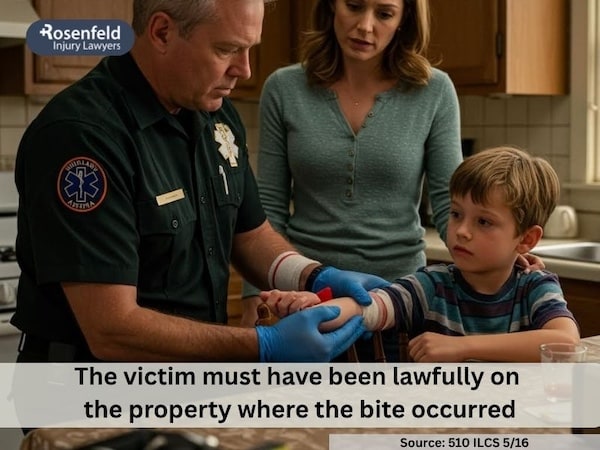
- The person was peaceably conducting themselves where they had a legal permission to be.
- The person did not provoke the dog.
When these elements are met, the legal owner of the dog can be liable for injuries caused, including medical expenses, lost wages, and emotional trauma. This strict liability standard makes Illinois one of the more victim-friendly states in the country for those harmed by dog bites or animal attacks.
Does Illinois Have One-Bite Rule?
No. Illinois does not follow the one-bite rule. In many states, dog owners are only held responsible if their dog had previously bitten someone or shown signs of aggression.
Illinois law is different. Under the strict liability rule, an owner can be held responsible the very first time their dog injures someone, even if the dog had no history of aggressive behavior.
How Is the Legal Process Different in Strict Liability States?
In strict liability states like Illinois, the legal process for a dog bite case is simpler and more favorable to victims. Unlike negligence-based states, where an injured person must prove that the owner owed a duty of care, breached that duty, and caused damages, Illinois law doesn’t require those elements.
Under the strict liability standard, the focus is on what happened, not on whether the owner was careless. If the dog injured someone who was lawfully present and did not provoke the animal, the owner can face legal consequences.
This distinction means victims in Illinois can pursue compensation more directly, without the added burden of proving negligence, intent, or a prior history of aggressive behavior.
Can Dog Bite Victims Still Pursue Negligence Claims Against Owners in Illinois?
Yes. Even though dog bites in Illinois are governed by strict liability laws, victims can also pursue negligence claims when a dog owner’s careless behavior contributed to the attack. These claims may apply in situations where the owner:
- Ignored local leash ordinances or allowed the dog to roam freely.
- Failed to restrain or secure a dog known for aggressive behavior.
- Did not post warning signs about a potentially dangerous dog on private property.
In cities like Chicago, local regulations add another layer of responsibility for pet owners. The Municipal Code of Chicago requires that dogs be leashed and properly registered, and violations can result in fines or even the removal of the dog.
When a dog owner disregards these safety measures, it can strengthen a victim’s case for civil damages and demonstrate a pattern of negligent conduct beyond the strict liability claim.
Are Attacks Involving Dangerous and Vicious Dogs Viewed Differently Under Illinois Law?
Yes. While Illinois applies strict liability laws to all dog bite cases, attacks involving dangerous or vicious dogs often carry greater legal consequences for the owner. Under Illinois law, once a dog has been officially classified as “dangerous” or “vicious” by animal control authorities, the owner must follow strict safety and control requirements, such as secure enclosures, muzzling, and insurance coverage.
If the owner ignores those requirements or fails to act on prior warnings, it can strengthen a victim’s negligence claim and even open the door to punitive damages. A prior classification makes the dog’s potential danger foreseeable, which makes it much harder for the owner to deny liability.
When Can Dog Owners Be Liable for an Attack in Illinois?
Under Illinois dog bite laws, an owner can be held liable for a dog attack in several common situations, even when the injury doesn’t involve an actual bite. Because Illinois follows a strict liability rule, the law focuses on whether the victim was lawfully present and did not provoke the dog, rather than on the owner’s intent or past behavior.
Dog owners may be legally responsible when:
- A dog bites someone on public property or a lawful visitor on private property.
- The dog knocks someone down, causing a serious physical injury such as broken bones or head trauma.
- The owner fails to restrain the dog, despite prior warnings from animal control or violations of local leash ordinances.
Even when a dog’s aggression doesn’t involve teeth, such as chasing, lunging, or knocking a person to the ground, the owner can still be required to cover medical expenses, lost income, and emotional trauma.
How Illinois Owners Can Deny Dog Bite Liability
Even though Illinois law generally favors victims through its strict liability standard, dog owners can still raise certain defenses to avoid or reduce liability. These defenses focus on the victim’s actions or the dog’s behavior and reaction to a perceived threat. Common defenses include:
- Victim provoked the dog. The owner may claim the injured person teased, struck, or frightened the dog, leading to the attack.
- Victim trespassed or was unlawfully on the property. Illinois law protects owners when the injured person entered private premises without permission or legal justification.
- Dog was defending its owner or another person from an immediate threat. If the dog acted to protect against harm or aggression, the owner may argue the attack was justified.
If any of these defenses are successfully proven, the court can reduce or eliminate the owner’s liability.
How to Strengthen Your Claim and Ensure a Dog Owner Is Held Liable Under Illinois Law
Taking quick action after a dog bite helps protect your rights and strengthens your claim under Illinois law.
Seek Medical Attention Immediately
Always seek proper medical care immediately after animal bites or attacks. Even small wounds can lead to infection or serious injuries. Medical records also help prove the extent of your dog bite injuries.
Report the Dog Attack
Report the dog attack to local authorities. In Chicago and Cook County, contact the Cook County Department of Animal and Rabies Control or your local police department. This creates an official record and may trigger a dangerous or vicious dog investigation.
Gather and Preserve Evidence
Take photos of your injuries and the scene, collect witness information, and save all medical bills and related documents. Strong evidence helps prove the owner’s liability.
Consult a Personal Injury Attorney
An experienced lawyer can guide you through the litigation process after the attack or bite occurs, handle insurers, and hold owners accountable.
How Our Illinois Attorneys Can Help You Hold Negligent Owners Accountable
Our attorneys know how to build strong cases that prove liability and help victims recover for their injuries. We handle every step of the process so you can focus on healing.
Here’s how we work to hold negligent owners accountable:
- Review police and animal control reports to confirm the facts and identify violations.
- Interview witnesses who saw the attack occur or can describe the dog’s prior aggressive nature.
- Establish that you were rightfully on the premises and did not provoke the dog.
- Document medical bills, lost income, and emotional distress to calculate full damages.
We believe in accessible representation, that’s why we offer a free consultation and work on a contingency fee basis, meaning you pay nothing unless we successfully recover compensation for you.
How Much Can Victims Recover in a Dog Bite Claim?
Settlements for dog bites in Illinois vary widely depending on the severity of the injuries and other circumstances. According to available data, they range from about $2,200 to over $1.1 million, with a median value of $42,500 and an average of $171,079.
Under 735 ILCS 5/2-1116 (Illinois Comparative Negligence Law), compensation may be reduced if the injured person is found partially at fault. For example, if the victim provoked the dog.
Common types of damages recoverable include:
Medical Treatment Expenses
Victims can recover the full cost of medical treatment, including emergency care, hospital stays, surgery, medication, and ongoing rehabilitation related to their injuries.
Lost Wages
If the victim misses work or is unable to return to their job, they may recover lost wages and compensation for reduced earning capacity in the future.
Emotional Distress
Compensation for emotional distress covers the psychological harm caused by the attack, such as anxiety, depression, or post-traumatic stress disorder (PTSD).
Disfigurement
When a bite leaves lasting scars or visible injuries, victims may recover damages for disfigurement and the emotional impact of living with permanent changes to their appearance.
Pain and Suffering
Victims are also entitled to recover damages for pain and suffering, which includes both the physical pain and the emotional toll of enduring a bite and its aftermath.
How Long Do You Have to Sue for Dog Bite Injuries in Chicago?
In Illinois, most dog bite lawsuits fall under the Illinois Statute of Limitations for Personal Injury (735 ILCS 5/13-202). This law gives victims two years from the date of the attack to file a civil claim for their injuries. Failing to file within this period can result in losing the right to recover compensation.
For children injured in a dog attack, the law provides additional protection. Under 735 ILCS 5/13-211, minors have two years from their 18th birthday to file a dog bite claim. This extended deadline recognizes that children often need more time to understand the long-term impact of serious injuries such as scarring or emotional trauma.
Contact Us to Help You Protect Your Legal Rights
Our Chicago dog attack law firm stands with victims of dog attacks, helping them understand their rights and pursue justice. We offer a free, confidential consultation and work on a contingency fee basis, so you pay nothing unless we recover compensation for you. Contact us today to speak with an experienced attorney who can help you move forward.
Content reviewed by Chicago dog bite lawyer Jonathan Rosenfeld of Rosenfeld Injury Lawyers LLC, who hold dog owners accountable to secure compensation for injured victims and their families, and is a trial lawyer recognized by Super Lawyers, the American Association of Justice, and Million Dollar Advocates for serious crash cases across Illinois.